

Creators who edit on the road need room for a laptop alongside cameras and lenses.
We picked the best camera backpacks with laptop compartments.
The Outdoor Recreation is reader-supported. As an Amazon Associate we earn from qualifying purchases, at no extra cost to you.
Quick Picks
- Best value: MOSISO Hardshell Camera Backpack
- Best hard shell: K&F Concept Hardshell Camera Backpack 22L
- Best premium: Peak Design Everyday Backpack 30L
- Best compact: TARION TB04 15L Side-Access Backpack
- Best stylish: Divvia PU Leather Camera Backpack
Comparison Table
| Product | Best for | Capacity | Standout feature | |
|---|---|---|---|---|
| MOSISO Hardshell Camera Backpack | Best value | 17.3 x 11.8 x 7.5 in | Tripod holder, laptop sleeve | View |
| K&F Concept Hardshell Camera Backpack 22L | Best hard shell | 22L | Hard shell protection | View |
| Peak Design Everyday Backpack 30L | Best premium | 30L | MagLatch, dual side access | View |
| TARION TB04 15L Side-Access Backpack | Best compact | 15L | Side access, 15″ laptop | View |
| Divvia PU Leather Camera Backpack | Best stylish | 12.6 x 7.1 x 16.1 in | 15″ laptop, classic look | View |
Detailed Reviews

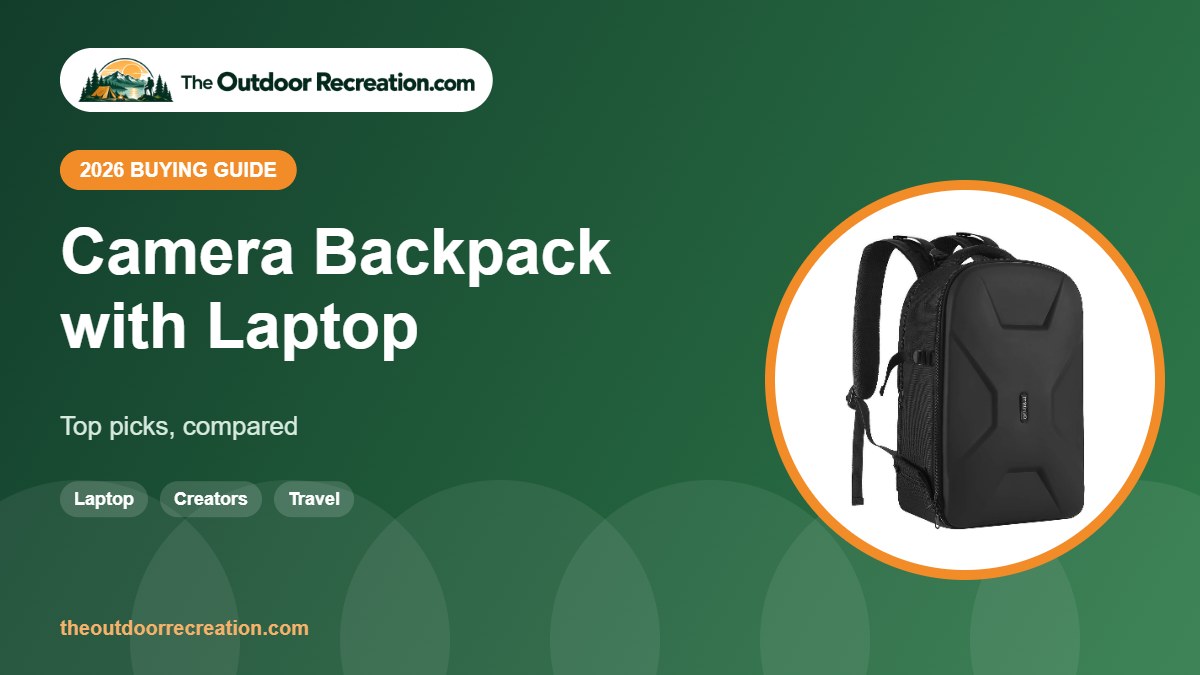
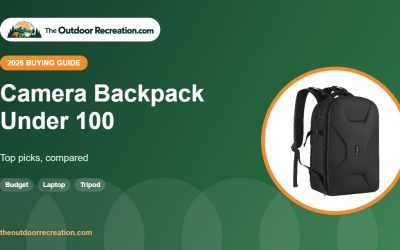
1MOSISO’s camera backpack has two compartments: a padded, modular camera section in the top and a laptop compartment for 15 to 16-inch laptops, plus a tripod holder.
It is a strong value pick for photographers who carry a laptop and tripod.
Pros & Cons
What we like
- Laptop compartment
- Tripod holder
- Modular inserts
Watch out for
- Heavier than soft packs
- Bulky when full
Key Specs
- Size: 17.32 x 11.8 x 7.5 in
- Laptop: 15-16 in
- Tripod: holder included

2K&F Concept’s 22-liter hardshell backpack protects gear with a rigid shell and removable modular inserts, plus a laptop compartment for 15 to 15.6-inch laptops.
It is our pick for travelers who want extra crush protection.
Pros & Cons
What we like
- Hard shell
- Laptop compartment
- Modular inserts
Watch out for
- Rigid shape
- Less flexible for non-camera gear
Key Specs
- Capacity: 22L
- Size: 17.3 x 11 x 7 in
- Laptop: 15-15.6 in

3Peak Design’s Everyday Backpack 30L uses a MagLatch top and dual side access with customizable FlexFold dividers.
It looks like a sleek daily bag but works as a full camera pack.
Pros & Cons
What we like
- Dual side access
- Stylish
- Weatherproof
Watch out for
- Premium
- Heavier than basic packs
Key Specs
- Capacity: 30L
- Access: top, dual side
- Dividers: FlexFold

4TARION’s compact 15-liter backpack offers side access to your camera, a 15-inch laptop slot and an anti-theft hidden pocket.
It is a great small pack for street and travel photography.
Pros & Cons
What we like
- Side access
- Compact
- Anti-theft pocket
Watch out for
- 15L fills quickly
- Not for big lenses
Key Specs
- Capacity: 15L
- Laptop: 15 in
- Access: side

5Divvia’s PU leather camera backpack fits most DSLRs and a 15-inch laptop, with two side bottle pockets and a classic, polished look.
It works for photographers who want a bag that looks good at work and events.
Pros & Cons
What we like
- Stylish leather look
- Laptop slot
- Side pockets
Watch out for
- PU leather is less rugged
- Heavier
Key Specs
- Size: 12.6 x 7.1 x 16.1 in
- Laptop: 15 in
- Material: PU leather
How We Chose
We compared capacity, access, padding, laptop and tripod carry, weather protection and harness comfort across dozens of camera bags, then read verified owner feedback to find durability and comfort problems. We did not receive free products, and we do not claim hands-on testing. TOR Scores combine published specs, verified owner feedback and overall value.
How to Choose a Camera Backpack
A camera backpack protects your gear, keeps it organized and spreads the weight across your back. The right one depends on your kit size, how you travel and how fast you need to reach your camera.
- Capacity: count bodies, lenses, drones and laptops, then add room for a jacket and water.
- Access: side access is fastest; back-panel access keeps straps clean; top access fits long lenses.
- Dividers: padded, adjustable dividers protect gear and adapt as your kit changes.
- Laptop sleeve: useful for travel and editing on the go.
- Tripod carry: side or front straps hold a tripod securely.
- Weather protection: look for water-resistant fabric and a rain cover.
- Harness: padded straps, a sternum strap and a hip belt matter for long days.
Flying with a Camera Backpack
Camera gear should travel in your carry-on, not checked luggage. Check your airline’s carry-on size and weight limits; many allow about 22 x 14 x 9 inches, but international and budget airlines are often stricter.
- The FAA says spare lithium batteries must generally be carried in carry-on bags, not checked bags; protect terminals from short circuits.
- Keep the pack compressed and tidy so it fits overhead bins.
- Pack a lens cloth and small blower in an easy-access pocket.
- Rolling camera backpacks are easier on long airport walks.
Related guides: best camera backpack for travel, best camera backpack under 100, best camera backpacks with tripod holder, best camera backpack. See every pick in our Backpacks category.
Common Camera Bag Mistakes
- Buying too small. Kits grow; leave room for one more lens and a jacket.
- Ignoring the harness. Thin straps hurt on long days; look for padding and a sternum strap.
- Skipping the rain cover. A sudden shower can ruin electronics.
- Overloading one shoulder. Slings and totes are for small kits only.
- Leaving batteries in checked bags. Spare lithium batteries belong in the cabin.
How to Care for a Camera Backpack
Empty the pack and vacuum dust from dividers every few months. Spot clean with mild soap and water and air dry fully before repacking; trapped moisture can encourage mold and harm lenses. Lubricate stiff zippers with a zipper wax, and re-treat water-repellent fabric with a spray-on DWR product when water stops beading.
Camera Backpacks for Hiking
On the trail, a camera pack has to carry like a real hiking pack while giving quick access to your camera.
- Choose a padded hip belt and sternum strap for loads over about 15 pounds.
- Side or back-panel access lets you shoot without setting the pack down in mud or snow.
- Leave room for the Ten Essentials: water, layers, food, navigation and first aid.
- A hydration sleeve or side bottle pockets keep you drinking.
- Use a rain cover and a dry bag for electronics.
Camera Backpack vs Other Camera Bags
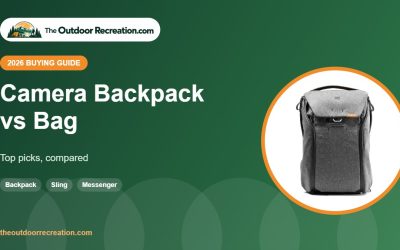
- Camera backpack: best for big kits, long walks and travel; weight sits on both shoulders.
- Sling bag: fastest access, small kits, city walks.
- Messenger or shoulder bag: easy access for events, but loads one shoulder.
- Tote: stylish and roomy for daily carry, but less protective and harder on the shoulder.
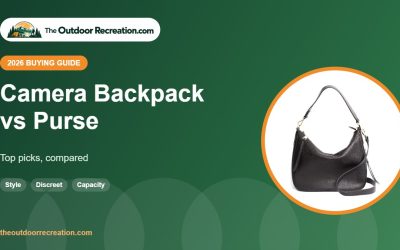
- Camera purse: discreet and fashionable for one small camera.
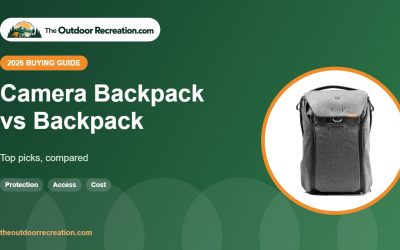
- Regular backpack + camera cube: flexible and low-profile; add a padded insert to any backpack.
Sources and further reading: FAA PackSafe: lithium batteries (spare camera batteries usually must travel in carry-on bags), National Park Service: the Ten Essentials and Leave No Trace: the 7 Principles. Product specs come from brand listings on Amazon.
Frequently Asked Questions
Is a camera backpack allowed as a carry-on?
Many are designed to fit common carry-on limits, but airline rules vary. Check dimensions and weight limits before you fly.
How many lenses fit in a camera backpack?
Small packs fit one body and two or three lenses; large packs fit two bodies and five or more lenses. Check the listing’s stated capacity.
Are camera backpacks waterproof?
Most are water resistant. For heavy rain, use the included rain cover or add one, and keep electronics in dry bags.
Can I use a regular backpack for camera gear?
Yes, with a padded camera insert or cube. Dedicated camera backpacks offer better access and protection.
Should I get side access or back access?
Side access is fastest for grabbing a camera on the move; back-panel access keeps straps clean and gear secure in crowds.
Final Verdict
The MOSISO Hardshell Camera Backpack is the best value laptop camera pack; the Peak Design Everyday 30L is the premium pick.
Write Your Review
No reviews yet. Be the first to share your experience!