

Winter bucket hats with ear flaps keep ears warm without a beanie.
These are the best.
The Outdoor Recreation is reader-supported. As an Amazon Associate we earn from qualifying purchases, at no extra cost to you.

Quick Picks
- Best waterproof: TOP-EX Waterproof Winter Bucket Hat
- Best fleece: NEW SKADI Fleece Earmuff Bucket Hat
- Best fuzzy: KORADI Winter Bucket Hat with Ear Flaps
- Best summer flap: BASSDASH UPF 50+ Sun Hat with Face Cover and Neck Flap
- Top pick: Sun Cap with Neck Flap UPF 50+
Comparison Table
| Product | Best for | Type | Standout feature | |
|---|---|---|---|---|
| TOP-EX Waterproof Winter Bucket Hat | Best waterproof | Waterproof shell | Fleece-lined ear flaps | View |
| NEW SKADI Fleece Earmuff Bucket Hat | Best fleece | Fleece | Built-in earmuffs | View |
| KORADI Winter Bucket Hat with Ear Flaps | Best fuzzy | Faux fur | Detachable ear flaps | View |
| BASSDASH UPF 50+ Sun Hat with Face Cover and Neck Flap | Best summer flap | UPF 50+ | Removable face and neck cover | View |
| Sun Cap with Neck Flap UPF 50+ | Top pick | UPF 50+ | Neck flap | View |
Detailed Reviews
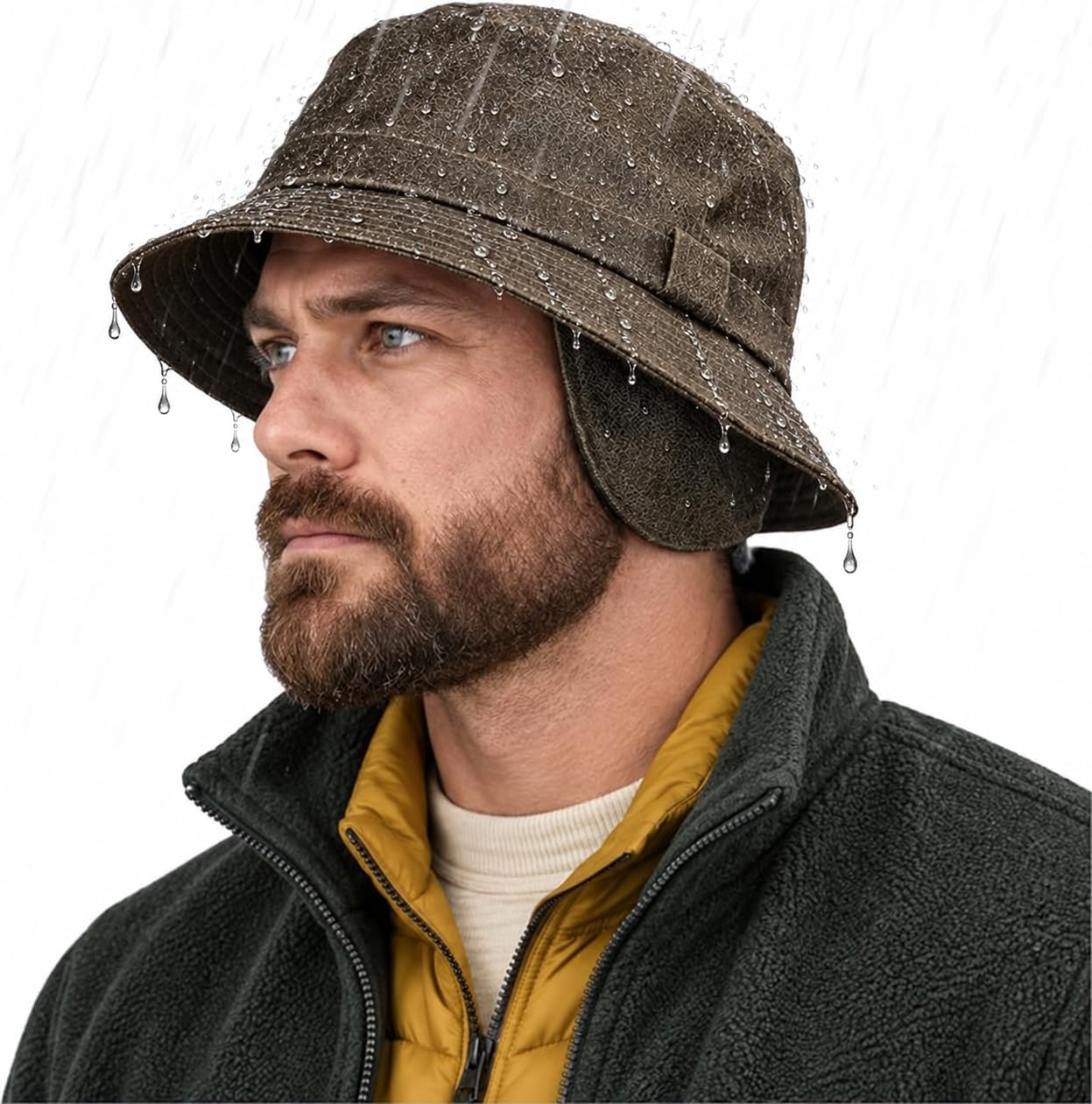
1This men’s winter bucket hat combines a waterproof shell with a fleece lining and ear flaps.
It is a good choice for wet, cold fishing and hunting days.
Pros & Cons
What we like
- Waterproof
- Fleece lined
- Ear flaps
Watch out for
- Warm for mild days
- Bulky
Key Specs
- Shell: waterproof
- Lining: fleece
- Extras: ear flaps

2This soft fleece bucket hat has built-in earmuffs that cover your ears on cold, windy days.
It packs easily and is comfortable for winter walks.
Pros & Cons
What we like
- Covers ears
- Soft fleece
- Packable
Watch out for
- Not waterproof
- Casual look
Key Specs
- Material: fleece
- Feature: earmuffs
- Use: winter

3This fuzzy winter bucket hat has detachable ear flaps for extra warmth on cold days.
It is a stylish way to keep ears warm without a beanie.
Pros & Cons
What we like
- Warm
- Detachable flaps
- Stylish
Watch out for
- Not for rain
- Bulky
Key Specs
- Material: faux fur
- Extras: ear flaps
- Use: winter

4. BASSDASH UPF 50+ Sun Hat with Face Cover and Neck Flap
4This BASSDASH sun hat adds a removable face cover and neck flap that work like a sun scarf.
It is designed for anglers and hikers in strong sun.
Pros & Cons
What we like
- Full face and neck coverage
- UPF 50+
- Removable
Watch out for
- Warm in calm air
- Not a fashion look
Key Specs
- Protection: UPF 50+
- Extras: face cover, neck flap
- Use: fishing, hiking

5This UPF 50+ fishing sun cap adds a wide neck flap for maximum sun coverage on long days outside.
It suits fishing, hiking and long hot days outside.
Pros & Cons
What we like
- Neck coverage
- UPF 50+
- Chin strap
Watch out for
- Not a fashion look
- Can feel warm on calm days
Key Specs
- Protection: UPF 50+
- Extras: neck flap, chin strap
- Use: fishing, hiking
How We Chose
We compared UPF ratings, brim width, ear and neck coverage, linings, packability and fit across dozens of bucket hats, then read verified owner feedback on sizing, warmth and durability. We did not receive free products, and we do not claim hands-on testing. TOR Scores combine published specs, verified owner feedback and overall value. Related: our shortlist of the best bucket hat for the beach.
Bucket Hats With Ear Flaps and Scarves
Winter bucket hats with ear flaps keep ears warm while keeping the bucket shape, and many have fleece linings or waterproof shells. For summer, sun hats with neck flaps or removable face covers work like a built-in scarf, protecting the neck and face from UV on the water or trail.
How to Choose a Bucket Hat
- Sun protection: look for a UPF rating and a brim of at least 2.5 to 3 inches.
- Material: cotton is classic, nylon dries fast, straw breathes.
- Fit: check head size, and choose a chin strap for wind.
- Packability: soft buckets fold into a pocket.
- Ventilation: mesh vents help in heat.
How to Care for a Bucket Hat
Hand wash most bucket hats in cool water with mild soap and air dry on a bowl or towel to keep the shape. Avoid the dryer, which can shrink cotton and warp brims. Straw hats should be spot cleaned and kept dry.
What UPF Ratings Mean
UPF, or Ultraviolet Protection Factor, measures how much UV radiation a fabric blocks. A UPF 50+ fabric lets through less than 2 percent of UV rays, which is excellent protection. Tightly woven, darker fabrics usually block more UV than loose, light ones. If you are comparing options, our guide to the best bucket hat for hiking is worth a look.
A hat only protects what it shades, so brim width matters too. Look for a brim of at least 3 inches for your face, ears and neck, and pair any hat with sunscreen and sunglasses on bright days, especially near water, sand or snow, which reflect sunlight.
How to Size a Bucket Hat
Measure your head circumference just above your ears and eyebrows. Many bucket hats come in S/M and L/XL sizes, roughly 22 to 23.5 inches and 23.5 to 24.5 inches, but brands vary, so always check the size chart. Adjustable toggles or inner sweatbands let you fine-tune fit.
A good fit sits level on your head without pressing at the temples. If you plan to wear it in wind, on a boat or while running, choose a hat with a chin cord so it stays put.
Bucket Hat Materials
- Cotton and cotton twill: soft, classic look, comfortable for everyday wear.
- Nylon and polyester: light, quick drying and often UPF rated for hiking and fishing.
- Mesh panels: improve airflow in hot weather.
- Straw and raffia: very breathable and stylish for beach days, but less packable.
- Wool and corduroy: warmer, for cool-weather fashion.
For outdoor sun protection, choose quick-dry synthetic fabric with a UPF rating; for style, cotton or straw is hard to beat. For a closer look, see our guide to the best bucket hat for women.
When to Wear a Bucket Hat
Bucket hats shine on hikes, fishing trips, festivals, gardening, beach days and travel, anywhere you want shade all the way around your head. They also fold into a pocket, unlike stiff sun hats.
They are less ideal in strong wind without a chin strap, or under a helmet. For cold weather, switch to a beanie; for running in heat, choose a light, vented bucket or a cap with a neck cape.
Staying Cool and Safe in Hot Weather
Shade from a hat helps, but in hot weather you also need water, rest breaks and light, breathable clothing. Plan hikes and outdoor work for cooler morning and evening hours when possible. We cover this in more depth in our roundup of the best bucket hat vs Beanie.
Watch for signs of heat illness, such as heavy sweating, dizziness, headache or nausea, and move to shade and cool down at once if they appear. A wet bucket hat or cooling towel can add evaporative cooling on very hot days.
Keeping a Bucket Hat in Shape
Hand wash fabric bucket hats in cool water with mild soap, press out water with a towel and let them dry on a bowl or ball so the crown keeps its shape. Avoid the dryer, which can shrink cotton and warp brims.
Straw hats should be kept dry; spot clean with a damp cloth and store them flat or on a hook rather than crushed in a bag.
Related guides: best bucket hat with ears, best bucket hat with scarf, best beanie for winter. See every pick in our Headwear category.
Sources and further reading: National Park Service: the Ten Essentials (sun protection), Leave No Trace: the 7 Principles and National Park Service: camping basics. Product details come from brand listings on Amazon.
Frequently Asked Questions
Can I wash a bucket hat?
Most fabric bucket hats can be hand washed and air dried; avoid the dryer.
Do bucket hats protect from the sun?
Yes, especially wide-brim and UPF-rated hats; combine with sunscreen and shade.
How do I keep a bucket hat on in wind?
Choose one with a chin strap or cord and a snug fit.
How should a beanie fit?
Snug enough to stay on and cover your ears without squeezing; stretchy knits fit more head sizes.
Are bucket hats with ear flaps warm?
Yes, fleece-lined versions keep ears and head warm in cold wind.
Final Verdict
The TOP-EX waterproof bucket hat is the best with ear flaps.





Write Your Review
No reviews yet. Be the first to share your experience!