

Hiking makes you sweat on the climb and chill at the top. A breathable beanie that stays warm when damp is the answer.
We picked the best beanies for the trail.
The Outdoor Recreation is reader-supported. As an Amazon Associate we earn from qualifying purchases, at no extra cost to you.

Quick Picks
- Best thin merino: menique Merino Skull Cap
- Best merino cuff: Minus33 Merino Wool Cuff Beanie
- Best with socks: Merino.tech Merino Beanie + Socks
- Best everyday trail: The North Face Jim Beanie
- Most packable: M-Tac Fleece Watch Cap
Comparison Table
| Product | Best for | Type | Standout feature | |
|---|---|---|---|---|
| menique Merino Skull Cap | Best thin merino | 160 GSM merino | Thin under-helmet liner | View |
| Minus33 Merino Wool Cuff Beanie | Best merino cuff | 100% merino | Packable, machine washable | View |
| Merino.tech Merino Beanie + Socks | Best with socks | 100% merino | Includes merino socks | View |
| The North Face Jim Beanie | Best everyday trail | Recycled fabric + wool | Fleece headband | View |
| M-Tac Fleece Watch Cap | Most packable | Fleece | Low profile, packable | View |
Detailed Reviews
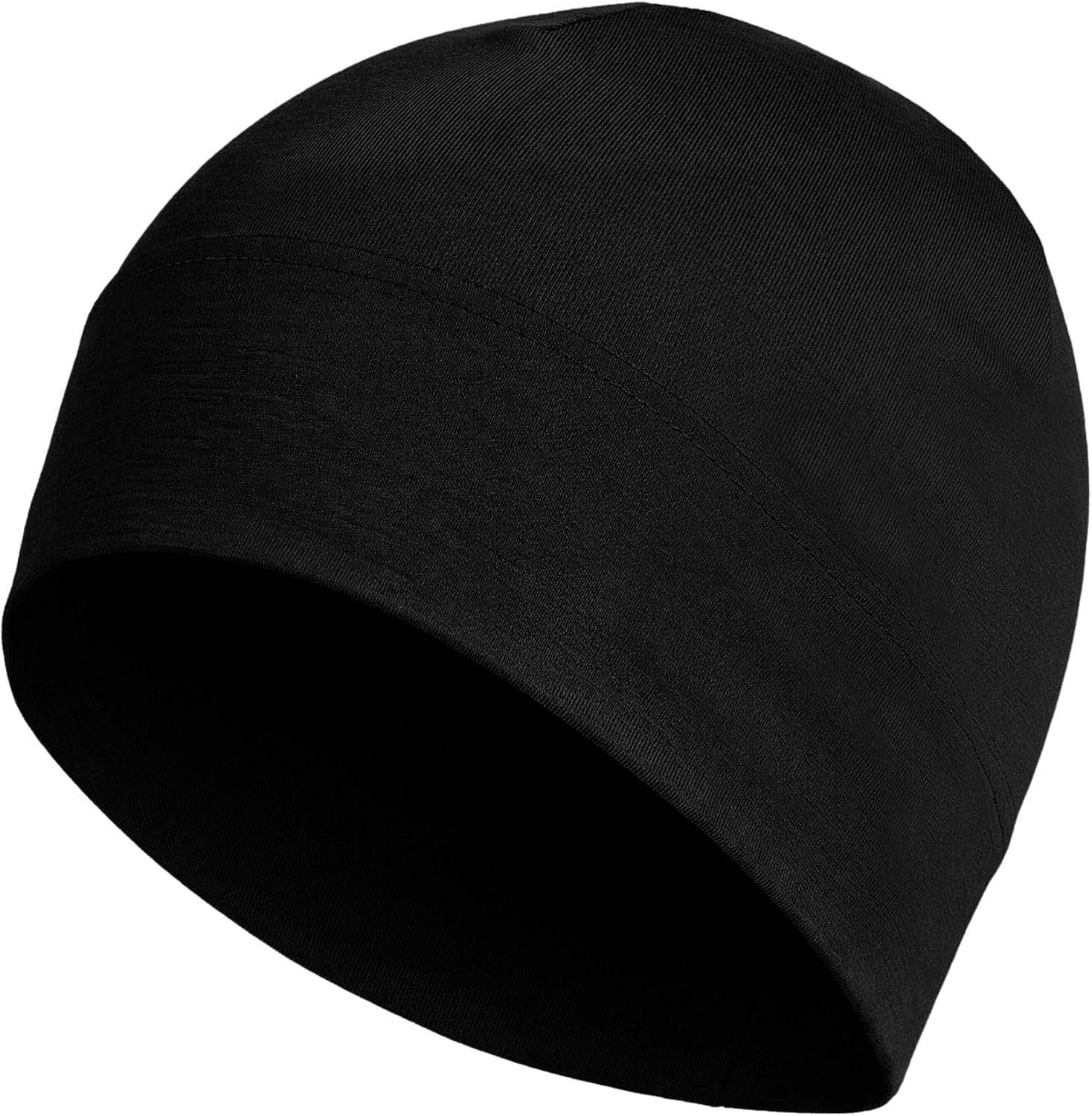
1menique’s 100 percent merino skull cap uses lightweight 160 GSM wool for breathable warmth without bulk.
It fits under bike and climbing helmets and is great for fast hikes and runs.
Pros & Cons
What we like
- Thin and light
- Merino
- Fits under helmets
Watch out for
- Not for deep cold alone
- Newer brand
Key Specs
- Material: 100% merino, 160 GSM
- Style: skull cap
- Use: helmets, running, hiking

2Minus33’s 100 percent merino cuff beanie is light and packable, fits head sizes from about 17 to 25 inches, and the brand says it is machine washable and dryable.
It is a great value merino beanie for hiking, camping and travel.
Pros & Cons
What we like
- 100% merino
- Packable
- Easy care
Watch out for
- Thinner than heavy knits
- Limited style options
Key Specs
- Material: 100% merino
- Fit: 17-25 in head
- Care: machine wash (brand)

3Merino.tech’s midweight merino watch cap comes bundled with merino crew hiking socks. It is breathable, non-itchy and thin enough to wear under a helmet.
Merino keeps you warm even when damp, which makes it ideal for sweaty uphill hikes.
Pros & Cons
What we like
- Socks included
- Fits under helmets
- Warm when damp
Watch out for
- Midweight may be cool in deep cold
- Set may be more than you need
Key Specs
- Material: 100% merino
- Includes: crew hiking socks
- Use: hiking, helmets

4The North Face Jim Beanie is a classic-fit cuffed beanie made from recycled fabric and wool, with a soft fleece headband inside for comfort on long days.
It works from trail to transit and is one of the most popular outdoor-brand beanies.
Pros & Cons
What we like
- Fleece headband
- Wool blend warmth
- Classic fit
Watch out for
- Not windproof
- Logo styling not for everyone
Key Specs
- Material: recycled fabric and wool
- Lining: fleece headband
- Fit: classic cuffed

5M-Tac’s fleece watch cap is a low-profile military-style skull cap with elastic that seals out cold.
It folds small enough for a coat pocket and is a cheap, light camp hat.
Pros & Cons
What we like
- Very packable
- Low profile
- Budget
Watch out for
- Thin for deep cold
- Plain look
Key Specs
- Material: fleece
- Style: watch cap
- Use: camping, layering
How We Chose
We compared materials, fit, warmth and features across dozens of listings, then read verified owner feedback to find comfort and durability issues that spec sheets miss. We did not receive free products, and we do not claim hands-on testing. TOR Scores combine published specs, verified owner feedback and overall value.
Choosing a Beanie for Hiking and Camping
On the trail you warm up fast on climbs and cool down quickly at breaks and summits. In camp, you sit still while temperatures drop after sunset. Different beanies suit each moment.
- Hiking: thin merino or light wool blends breathe and stay warm when sweaty. A skull cap fits under a hood.
- Camp: thicker fleece-lined or earflap beanies keep you warm while sitting and can double as a sleeping hat.
- Packability: a light beanie weighs only a couple of ounces and is worth carrying even in summer at altitude.
- Wind and wet: a windproof liner or a hood over a beanie makes a big difference on exposed ridges.
A warm hat is part of the extra clothing in the Ten Essentials, so keep one in your pack year-round in the mountains.
How to Wash a Beanie
Hand wash wool and merino beanies in cool water with wool-safe detergent and dry them flat so they keep their shape. Acrylic knits can usually go in a cool, gentle machine cycle inside a laundry bag. Skip the dryer for anything with a faux fur pom; remove detachable poms before washing. Fleece-lined beanies dry faster inside out.
Related guides: best beanie for camping, best base layer for hiking, best 40l backpack for hiking, best beanie brands. See every pick in our Headwear category.
Beanie Styles Explained
- Watch cap: a fitted rib knit with a fold-up cuff. Classic, durable and easy to adjust.
- Skull cap: thin and close-fitting, ideal under helmets and hoods.
- Cuffed beanie: the cuff gives a double layer over your ears.
- Slouchy beanie: extra length at the back for a relaxed look; less windproof.
- Chunky cable knit: thick and cozy for town and travel; too bulky for helmets.
- Pom beanie: playful and warm, but the pom does not fit under hoods.
Beanie or Balaclava?
A beanie covers your head and ears; a balaclava also covers your face and neck. For commutes, walks and casual winter days a beanie is plenty. For skiing, snowmobiling, motorcycle riding and windy, sub-zero days, a balaclava (or a beanie plus neck gaiter) protects the skin a beanie leaves exposed. See our guide to the best balaclava for winter.
Caring for Your Beanie
Hand wash wool and fleece-lined beanies in cool water and dry them flat so they keep their shape. Acrylic watch caps can usually go in a cool machine wash. Avoid high dryer heat, which shrinks wool and can melt or pill acrylic.
Choosing a Beanie for Hunting
- Visibility: many states require hunter orange during certain seasons. Requirements vary, so check your state wildlife agency’s current rules before you go.
- Warmth on the stand: fleece-lined beanies keep you warm when sitting still for hours.
- Quiet fabric: soft knits and fleece are quieter than stiff shells when you turn your head.
- Layering: wear a thin merino cap on the walk in and add a warm beanie when you settle in, so you do not sweat.
Staying Warm in Extreme Cold
In serious cold, exposed skin on the cheeks, nose and ears is the first to suffer. The CDC lists covering the face and ears as one of the basic steps for preventing frostbite, and a balaclava does that in one piece.
- Layer it. Pair a thin balaclava with a beanie or helmet rather than one very thick piece. Layers trap more air and are easier to adjust.
- Manage moisture. Breath freezes in fabric. A mesh breathing panel or a balaclava you can pull down for a minute keeps the mouth area from icing over.
- Bring a spare. On multi-hour days, a dry spare balaclava in your pocket is worth more than a heavier one.
- Know the warning signs. Numbness, pale or waxy skin and shivering that will not stop are signs to get inside and warm up.
Sources and further reading: National Park Service: the Ten Essentials, Leave No Trace: the 7 Principles and National Park Service: camping basics. Product specs come from brand listings on Amazon; always check your airline’s current carry-on size rules before you fly.
Frequently Asked Questions
What is the best beanie material?
Wool and merino are warmest for their weight; acrylic is cheap and easy to wash. Fleece or satin linings add comfort and warmth.
How should a beanie fit?
It should cover the tops of your ears and stay put without leaving a red line on your forehead.
How often should I wash a beanie?
Wash it every few weeks of regular wear, or more often if you sweat in it. Use cool water, skip fabric softener and air dry.
Is wool or acrylic better for a winter beanie?
Wool, especially merino, is warmer for its weight and stays warm when damp. Acrylic is cheaper, durable and easy to wash.
Should a beanie cover your ears?
Yes. Ears lose heat quickly and are prone to frostbite, so choose a beanie deep enough to cover them or fold the cuff down.
Final Verdict
For hiking, the menique Merino Skull Cap is the best thin, breathable option, and the Minus33 Merino Cuff Beanie adds more warmth.









Write Your Review
No reviews yet. Be the first to share your experience!