

Standard cameras are cheaper; cellular cameras save trips.
Here is how they compare.
The Outdoor Recreation is reader-supported. As an Amazon Associate we earn from qualifying purchases, at no extra cost to you.
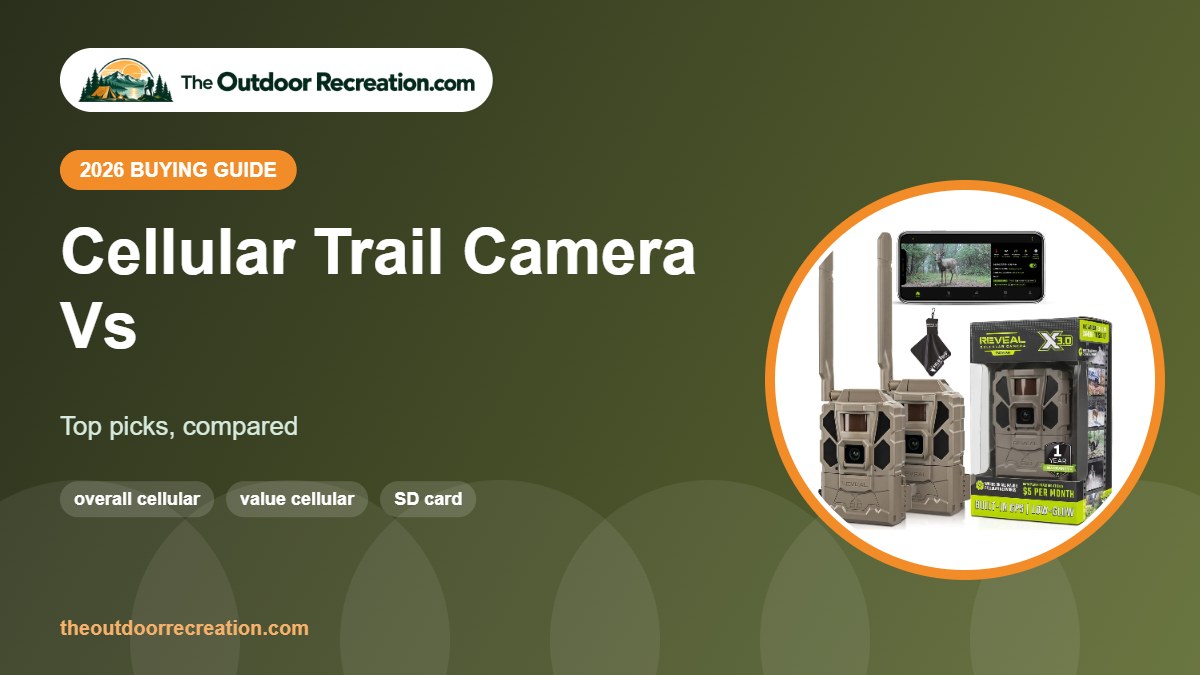
Quick Picks
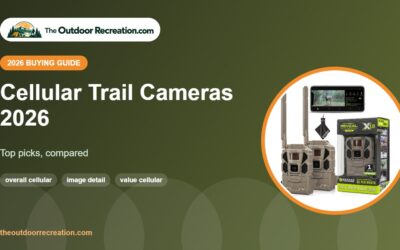
- Best overall cellular: Tactacam Reveal X Gen 3.0
- Best value cellular: SPYPOINT Flex Cellular Trail Camera
- Best SD card: SanDisk 32GB SD Card
- Best app ecosystem: Moultrie Mobile Cellular Trail Camera
- Best for AT&T areas: Bushnell CelluCORE 20 (AT&T)
Comparison Table
| Product | Best for | Key spec | Standout feature | |
|---|---|---|---|---|
| Tactacam Reveal X Gen 3.0 | Best overall cellular | Multi-carrier LTE | Auto-connect | View |
| SPYPOINT Flex Cellular Trail Camera | Best value cellular | Auto multi-network | GPS | View |
| SanDisk 32GB SD Card | Best SD card | 32 GB | Water resistant | View |
| Moultrie Mobile Cellular Trail Camera | Best app ecosystem | Multi-carrier | Scout from anywhere | View |
| Bushnell CelluCORE 20 (AT&T) | Best for AT&T areas | AT&T network | Low-glow IR | View |
Detailed Reviews

1The Tactacam Reveal X Gen 3.0 automatically connects to the strongest LTE carrier and sends photos and video to its app.
It is one of the easiest cellular trail cameras to set up.
Pros & Cons
What we like
- Auto carrier selection
- Easy app
- Good photo quality
Watch out for
- Subscription needed
- AA batteries drain in cold
Key Specs
- Network: multi-carrier LTE
- Media: photos, video
- Setup: app

2SPYPOINT’s Flex series automatically chooses among LTE networks and includes GPS location for each camera.
It is a popular value pick with flexible data plans.
Pros & Cons
What we like
- Auto network
- GPS
- Good value
Watch out for
- Plan needed for more photos
- Batteries drain in cold
Key Specs
- Network: multi LTE
- Extras: GPS
- Trigger: about 0.5 s

3A quality 32 GB SD card stores thousands of trail camera photos and handles outdoor temperature swings.
Many cellular cameras still save full-resolution files to the card.
Pros & Cons
What we like
- Reliable
- Affordable
- Water resistant
Watch out for
- Check camera max size
- Format in camera
Key Specs
- Capacity: 32 GB
- Class: UHS-I
- Use: trail cameras

4This Moultrie Mobile cellular camera sends HD photos and 1080p video to the Moultrie Mobile app over multiple carriers.
Moultrie’s app makes managing several cameras simple.
Pros & Cons
What we like
- Strong app
- Multi-carrier
- 1080p video
Watch out for
- Plan required
- Video uses data
Key Specs
- Network: multi-carrier
- Video: 1080p
- App: Moultrie Mobile

5The Bushnell CelluCORE 20 runs on AT&T with low-glow IR and an 80 ft night range.
It is a dependable choice where AT&T coverage is strong.
Pros & Cons
What we like
- Reliable brand
- Good night range
- Simple
Watch out for
- Single carrier
- Plan required
Key Specs
- Network: AT&T
- IR: low-glow, 80 ft
- Photos: 20 MP
How We Chose
We compared network support, image and video quality, trigger speed, night vision, power options and plan flexibility across cellular trail cameras, then read verified owner feedback on signal and reliability. We did not receive free products, and we do not claim hands-on testing. TOR Scores combine published specs, verified owner feedback and overall value. For a closer look, see our guide to the best cellular trail camera reviews.
How to Choose a Cellular Trail Camera
- Coverage: check which carriers have signal at your camera site; multi-carrier cameras pick the strongest.
- Data plans: compare monthly photo limits, video options and annual plans.
- Image quality: megapixels matter less than sensor and night performance.
- Trigger speed and range: faster triggers catch moving animals.
- Power: batteries, lithium packs or solar panels.
Start with coverage and plan cost; the best camera is useless without signal.
Understanding Cellular Plans and Contracts
Most cellular trail cameras need a monthly or annual data plan from the camera brand. Plans usually limit the number of photos, with video or HD downloads costing more. Many brands offer free starter plans with low photo counts and no long-term contract, while annual plans lower the monthly cost. Read cancellation terms, check whether you can pause plans in the off-season and compare total yearly cost, not just the monthly price.
Getting Results in Low Signal Areas
Before mounting, check signal with the camera’s app or a phone on the same carrier. Mount the camera higher on the tree, face open areas and avoid placing it deep in hollows where signal drops. Multi-carrier cameras help in weak areas, and some brands offer external antenna options. If signal is very weak, a traditional SD-card camera may be more reliable. We cover this in more depth in our roundup of the best cellular trail camera for the money.
Batteries and Solar Power
Cellular cameras use more power than standard trail cameras because they transmit images. Lithium AA batteries handle cold better than alkaline. Solar panels with built-in batteries can keep cameras running for months, which saves trips to remote sites. Match the panel’s voltage and connector to your camera.
Setup Tips for Better Photos
Mount the camera about waist high, angled slightly down, facing north or south to avoid sun glare. Clear branches that can trigger false photos in wind. Use photo bursts for deer movement and short videos at feeders or scrapes. Test the detection zone by walking past before leaving.
Check Local Rules
Some states restrict the use of cellular or live-transmitting trail cameras for hunting, especially during hunting seasons or on public land. Check your state wildlife agency rules and get landowner permission before placing cameras on private property. You may also find our guide to the best cellular trail camera for hunting helpful.
Choosing Camera Locations
Good spots include trail intersections, field edges, pinch points between cover, scrapes, water sources and feeders where legal. Cameras placed on travel routes capture more movement than those in the open. Rotate cameras every few weeks to learn more about the property, and avoid checking cameras so often that you leave lots of scent and disturbance.
Theft Protection and Security
Trail cameras are sometimes stolen or damaged on public land. Lock boxes and cable locks deter casual theft, mounting cameras above head height and angled down makes them harder to spot, and many cellular cameras have GPS so you can locate them. Label cameras with your contact information where required by local rules. Related: our shortlist of the cellular trail camera vs wifi camera compared.
Night Vision: No-Glow vs Low-Glow
Most deer movement happens at dawn, dusk and night, so infrared performance matters. No-glow cameras use 940 nm infrared that is nearly invisible to animals and people, which helps with wary bucks and theft prevention, but night photos are a little darker and shorter range. Low-glow cameras use 850 nm infrared that shows a faint red glow but lights subjects farther and brighter. Choose no-glow for pressured areas and public land, and low-glow when range and brightness matter most.
Photos vs Video on Cellular Plans
Photos use far less data than video, so most cellular plans are built around photo counts. Many cameras save full-resolution photos and video to the SD card while sending smaller thumbnails over the network, and you can request the high-resolution version when something interesting shows up. If you want regular video clips, check how your brand charges for them and consider a larger plan, or set video only for key locations like scrapes and feeders.
Related guides: best cellular trail camera vs wifi, best cellular trail camera vs wireless, best cellular trail camera. See every pick in our Outdoor Gear & Tech category.
Sources and further reading: National Park Service: the Ten Essentials, Leave No Trace: the 7 Principles and National Park Service: camping basics. Product specs come from brand listings on Amazon; always check your airline’s current carry-on size rules before you fly.
Frequently Asked Questions
Do cellular trail cameras need a plan?
Yes, most need a data plan from the camera brand.
Which carrier is best for trail cameras?
The one with the strongest signal at your camera site; multi-carrier cameras choose automatically.
Do cellular trail cameras work without signal?
They still save to the SD card but cannot send images.
Are cellular trail cameras legal for hunting?
Rules vary by state; check your wildlife agency before using them.
How many photos does a cellular trail camera send?
It depends on your plan; many plans cap monthly photos.
Final Verdict
Go cellular when trips to the camera are long or disruptive.


Write Your Review
No reviews yet. Be the first to share your experience!