

The Outdoor Recreation is reader-supported. As an Amazon Associate we earn from qualifying purchases, at no extra cost to you. We cover this in more depth in our roundup of the best drone 2026.
The best drone for kids is not the most powerful drone. It is the one a child can launch, steer and land without frustration, with prop guards, altitude hold and a simple controller that makes early flights feel like a win.
The drones below are all light, guarded and easy to learn. They have short flight times and basic cameras, and that is a fair trade for a first drone: the goal is learning to fly safely, not shooting cinema footage. Adult supervision is still essential, especially for the first flights. You may also find our guide to the best drone with camera helpful.
We do not list prices because they change often, so check the current price before you buy.
Quick Picks
- Best Kids who want the easiest first drone: DJI Neo
- Budget gps drone: Holy Stone HS360S GPS Drone
- Budget value: Holy Stone HS175D GPS Drone
- Indoor kids drone: Holy Stone Mini Drone for Kids and Beginners
- Tiny starter drone: Sky Viper Dash Nano Drone
Comparison Table
| Product | Best for | Key attribute | Standout feature | View |
|---|---|---|---|---|
| DJI Neo | Kids who want the easiest first drone | 4K camera, palm takeoff | Controller-free follow modes | View |
| Holy Stone HS360S GPS Drone | budget gps drone. | – | – | View |
| Holy Stone HS175D GPS Drone | budget value. | – | – | View |
| Holy Stone Mini Drone for Kids and Beginners | indoor kids drone. | – | – | View |
| Sky Viper Dash Nano Drone | tiny starter drone. | – | – | View |
Detailed Reviews

DJI Neo
TOR Score: 8.8/10
Best for: Kids who want the easiest first drone
The DJI Neo has a 4k camera in a tiny palm-sized body. It is the easiest drone here to get into the air: it can take off from your palm, follow you, and land back in your hand. Flight time is short and the camera is best in good light.
What we like:
- Palm takeoff and landing
- Follow modes without a controller
- Only 135 g
Watch out for:
- Short flight time of up to 18 minutes
- Limited wind resistance
Key Specs:
- Camera: 4K
- Weight: 135 g
- Flight time: up to 18 minutes
Holy Stone HS360S GPS Drone
TOR Score: 8/10
Best for: budget gps drone.
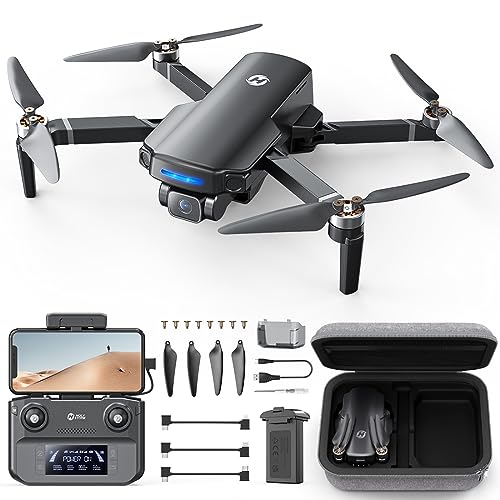
The Holy Stone HS360S is a foldable 249 g GPS drone with a 4K camera and return-to-home. It is a lower-cost option for beginners.
What we like
- Affordable
- GPS return home
- Foldable
Watch out for
- Weaker camera than DJI
- Less wind resistance
Key Specs
- Weight: 249 g
- GPS: yes
- Camera: 4K

Holy Stone HS175D GPS Drone
TOR Score: 8/10
Best for: budget value.
The Holy Stone HS175D is an inexpensive GPS drone with a 4K camera for casual flying. It is a good practice drone before upgrading.
What we like
- Cheap
- GPS
- Light
Watch out for
- Basic stabilization
- Shorter range
Key Specs
- Weight: under 249 g
- GPS: yes
- Camera: 4K

Holy Stone Mini Drone for Kids and Beginners
TOR Score: 8/10
Best for: indoor kids drone.
This Holy Stone nano drone is a small, light quadcopter built for kids and first-time pilots to fly indoors or in calm weather. Altitude hold and headless mode make it easier to control while learning.
What we like
- Easy to learn
- Small and light
- Affordable
Watch out for
- No camera
- Short flight time
Key Specs
- Type: nano quadcopter
- Features: altitude hold, headless mode
- Use: kids, indoors
Sky Viper Dash Nano Drone
TOR Score: 8/10
Best for: tiny starter drone.
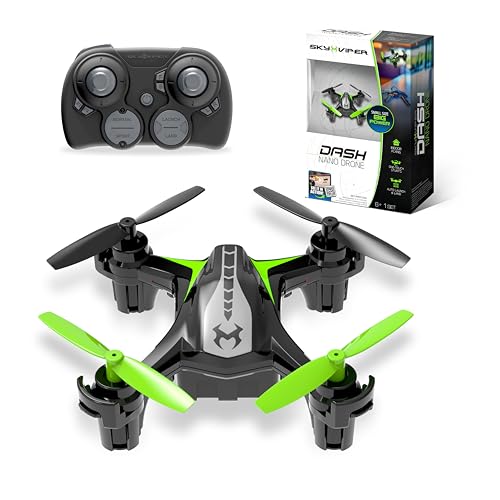
The Sky Viper Dash Nano is a tiny, rechargeable drone designed for safe indoor flying and quick fun for kids. Its small size and guards make it forgiving for beginners.
What we like
- Very small and light
- Kid friendly
- Low cost
Watch out for
- No camera
- Struggles outdoors in wind
Key Specs
- Type: nano drone
- Charging: rechargeable
- Use: indoor play
How We Chose
We compared kid-friendly drones on safety features, ease of controls, weight, flight time and durability. We favored prop guards, altitude hold, one-key takeoff and landing, and simple controllers, and we left out fast, heavy or unguarded drones.
How to Choose
- Age: younger kids do best with one-key takeoff, altitude hold and a simple controller; older kids can handle GPS features.
- Prop guards: they protect fingers, furniture and the drone itself, so treat them as essential for a first drone.
- Weight: lighter drones are safer indoors and easier for a child to carry and launch.
- Flight time: short flights are normal for toy drones, so spare batteries make playtime last longer.
- Supervision: fly with your child at first, in an open space, and teach the rules before the first takeoff.
Teaching a Child to Fly Safely
Start indoors in a large, clear room or outdoors in an open yard with no people nearby. Teach your child to take off, hover, turn and land before trying any tricks, and keep the drone in sight at all times. A few calm flights teach more than one fast, chaotic one. Related: our shortlist of the best camera for hiking with kids.
What to Expect from a First Drone
Expect short flights, a basic camera and a few bumps. Toy drones are built for learning, not for long video shoots, and spare propellers and batteries are part of the experience. If your child outgrows a toy drone quickly, a sub-250 g camera drone is the natural next step.
Frequently Asked Questions
What age is right for a first drone?
It depends on the child, but most kids aged 8 and up can handle a guarded toy drone with adult supervision. Younger kids do best with very simple models.
Do kids need a drone license?
For recreational flying in the US, the adult supervising should know the FAA recreational rules, including the TRUST test. Registration rules depend on the drone’s weight.
Are prop guards really necessary?
Yes, for a first drone. They protect fingers and furniture, and they keep a light bump from ending the flight.
Can kids fly drones indoors?
Yes, in a large, clear room with no breakables nearby, and only with adult supervision. Light toy drones are the safest choice indoors.
How long will a kids’ drone fly?
Most toy drones in this guide fly for 10 to 18 minutes per battery, so spare batteries help a lot.
Final Verdict
For most families, the DJI Neo is the best drone for kids because it is the easiest to launch, follow and land, with a real 4K camera as a bonus. The Holy Stone HS360S GPS Drone is the gentler pick for younger kids, and the Holy Stone HS175D GPS Drone adds a GPS safety net for children ready for a little more.
How to Choose a Drone
- Weight: drones under 250 g are easier to travel with, but rules still apply.
- Camera: larger sensors and 3-axis gimbals give smoother, sharper footage.
- Safety features: obstacle sensing and return-to-home help beginners.
- Flight time and range: spare batteries matter more than spec-sheet range.
- Controller: screen controllers are convenient; phone controllers are cheaper.
For most beginners, a sub-250 g drone with GPS and return-to-home is the best start.
Drone Rules and Safety
In the United States, recreational pilots must follow FAA rules, which include passing the free TRUST safety test, flying within visual line of sight and staying below 400 feet in uncontrolled airspace. Drones over 250 g must be registered. Never fly over crowds or near airports without authorization, and remember that launching drones is prohibited in most national parks. Check local rules before every flight. If you are comparing options, our guide to the best camera for hiking for kids is worth a look.
Batteries and Flight Planning
Real flight time is usually shorter than the listed maximum, especially in wind and cold. Land with at least 20 to 30 percent battery remaining, carry spares in a fireproof bag and let batteries cool before charging. Plan shots before takeoff so you spend battery time flying, not deciding.
Where You Can and Cannot Fly
Before every flight, check airspace with an FAA-approved app, since controlled airspace near airports needs authorization. Many state and local parks have their own drone rules, and launching from most national parks is prohibited. Avoid flying over people, roads and private property without permission, and keep well away from wildlife, which can be stressed or injured by drones.
Related guides: see more in our Outdoor Gear & Tech section.
Sources: manufacturer specifications and product pages from DJI, Autel, Parrot, Holy Stone, Potensic, DEERC, Snaptain and Ruko, plus FAA guidance on recreational and commercial drone use. We received no free products for this guide and we do not claim hands-on testing of every model.
Sources and further reading: FAA: Recreational Flyers & Community-Based Organizations and FAA: Unmanned Aircraft Systems. Product details come from brand listings on Amazon. Always check local rules, airspace and park regulations before you fly.
Write Your Review
No reviews yet. Be the first to share your experience!