

In extreme cold, a balaclava is not a comfort item; it is protection. Exposed cheeks, noses and ears can get frostnip quickly when wind chill drops far below freezing.
We picked the warmest, most wind-resistant balaclavas for sub-zero days, ice fishing, winter work and snowmobiling.
The Outdoor Recreation is reader-supported. As an Amazon Associate we earn from qualifying purchases, at no extra cost to you.
Quick Picks
- Warmest overall: Tough Headwear Fleece Balaclava Hood
- Best windproof: KLIM Covert Balaclava
- Best insulated: Carhartt Knit Insulated Face Mask
- Best for activity: Under Armour Storm ColdGear Balaclava
- Best budget windproof: Water-Resistant Windproof Fleece Balaclava
- Best double-layer: WTACTFUL Double-Layer Ponytail Balaclava
Comparison Table
| Product | Best for | Type | Standout feature | |
|---|---|---|---|---|
| Tough Headwear Fleece Balaclava Hood | Warmest overall | Heavyweight fleece | Extra-long neck, drawcord | View |
| KLIM Covert Balaclava | Best windproof | GORE-TEX Infinium | Windstopper on neck, chest, forehead | View |
| Carhartt Knit Insulated Face Mask | Best insulated | Thinsulate 40g | Extra-long neck | View |
| Under Armour Storm ColdGear Balaclava | Best for activity | Brushed fleece | Water-repellent UA Storm | View |
| Water-Resistant Windproof Fleece Balaclava | Best budget windproof | Thermal fleece | Mesh nose and mouth panel | View |
| WTACTFUL Double-Layer Ponytail Balaclava | Best double-layer | Double-layer | Ponytail hole | View |
Detailed Reviews

1For the coldest days, Tough Headwear’s heavyweight fleece hood is a step up from its standard balaclava. The extra-long neck tucks deep into a jacket, and draw-tight toggles cinch the face opening for a custom seal.
It is too bulky for most helmets, but for standing outside, ice fishing, snow shoveling, winter work and walks in biting wind it is one of the warmest balaclavas on our list.
Pros & Cons
What we like
- Very warm heavyweight fleece
- Extra-long neck
- Adjustable drawcord opening
Watch out for
- Too bulky for most helmets
- Overheats during hard exercise
Key Specs
- Fabric: heavyweight fleece
- Neck: extra long
- Fit: drawcord toggles
- Best for: low-output cold

2KLIM designed the Covert specifically for snowmobiling. GORE-TEX Infinium with Windstopper technology is mapped across the neck, chest and forehead to block wind at high speed, while Coolmax fabric on the head wicks sweat.
It is the most technical balaclava in our lineup and the one we would choose for fast trail riding in deep cold.
Pros & Cons
What we like
- Windstopper where wind hits
- Coolmax wicking on the head
- Made for snowmobile helmets
Watch out for
- Premium pricing
- Specialized design
Key Specs
- Wind: GORE-TEX Infinium Windstopper
- Wicking: Coolmax head
- Use: snowmobiling

3Carhartt’s face mask is a rugged rib-knit acrylic balaclava with 40-gram Thinsulate Flex insulation and overlock stitching around the eye opening.
The extra-long neck seals your collar. It is a classic for outdoor work, hunting from a stand and snow removal.
Pros & Cons
What we like
- Thinsulate insulation
- Durable rib knit
- Extra-long neck
Watch out for
- Bulky under helmets
- Knit is not windproof
Key Specs
- Fabric: 100% acrylic rib knit
- Insulation: Thinsulate Flex 40g
- Neck: extra long

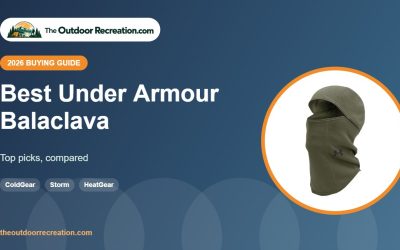
4Under Armour’s Storm ColdGear balaclava combines water-repellent UA Storm fabric with a brushed fleece interior and ColdGear Infrared, a thermo-conductive coating designed to absorb and hold body heat.
The result is a warm, soft, fairly thin balaclava that sheds snow and light moisture. It is a great everyday winter choice for skiing, running and outdoor work.
Pros & Cons
What we like
- Water-repellent outer
- Brushed fleece inside
- Infrared heat-retaining coating
Watch out for
- Premium brand pricing
- Fewer face-opening options
Key Specs
- Tech: UA Storm, ColdGear Infrared
- Lining: brushed fleece
- Use: skiing, running, work
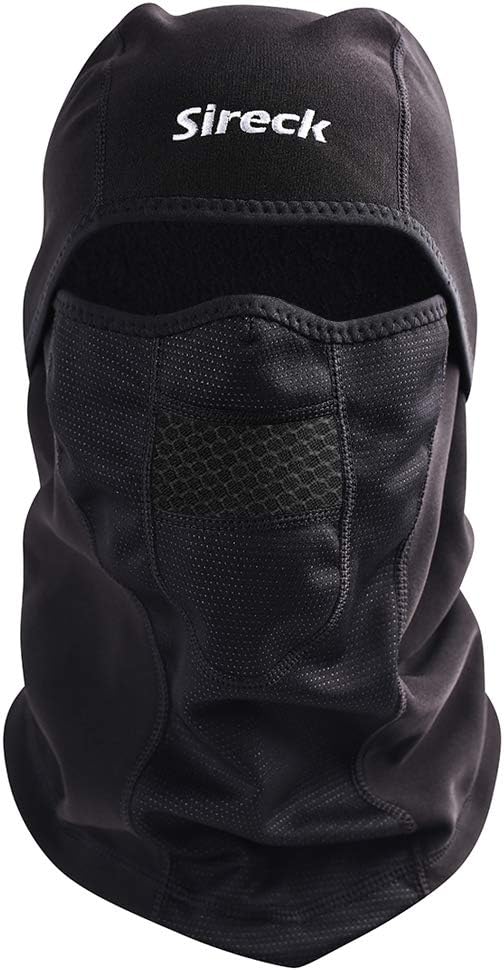
5. Water-Resistant Windproof Fleece Balaclava
5This widely bought balaclava uses water-resistant, windproof thermal fleece with a breathable mesh panel over the nose and mouth.
The brand is clear that it handles light rain but is not fully waterproof. For snowy, windy days on the slopes or on a motorcycle, it is a warm, budget-friendly option.
Pros & Cons
What we like
- Windproof thermal fleece
- Mesh breathing panel
- Budget friendly
Watch out for
- Not fully waterproof
- Lesser-known brand
Key Specs
- Fabric: water-resistant windproof fleece
- Breathing: mesh panel
- Water: light rain only (brand)

6WTACTFUL’s double-layer balaclava adds two layers across the nose, cheeks, ears and neck while keeping a streamlined fit under helmets. A ponytail hole at the back is the feature many long-haired riders and skiers want.
A U-shaped textured panel around the nose and mouth supports breathing. It is a newer listing, so it has fewer reviews than older picks.
Pros & Cons
What we like
- Ponytail opening
- Double layer where it matters
- Streamlined under helmets
Watch out for
- Newer listing
- Ponytail hole lets in some air
Key Specs
- Design: double-layer T-zone
- Feature: ponytail hole
- Breathing: U-shaped panel
How We Chose
We compared fabrics, fit, coverage and features across more than 50 listings, then read verified owner feedback to find comfort and durability issues that spec sheets miss. We did not receive free products, and we do not claim hands-on testing. TOR Scores combine published specs, verified owner feedback and overall value.
Staying Warm in Extreme Cold
In serious cold, exposed skin on the cheeks, nose and ears is the first to suffer. The CDC lists covering the face and ears as one of the basic steps for preventing frostbite, and a balaclava does that in one piece.
- Layer it. Pair a thin balaclava with a beanie or helmet rather than one very thick piece. Layers trap more air and are easier to adjust.
- Manage moisture. Breath freezes in fabric. A mesh breathing panel or a balaclava you can pull down for a minute keeps the mouth area from icing over.
- Bring a spare. On multi-hour days, a dry spare balaclava in your pocket is worth more than a heavier one.
- Know the warning signs. Numbness, pale or waxy skin and shivering that will not stop are signs to get inside and warm up.
How to Choose a Balaclava
A balaclava covers your head, ears, neck and most of your face in one piece, so there are no gaps for wind to sneak through between a hat, a scarf and a collar. The right one depends on how cold it is, how hard you are working, and what you wear on top of it.
- Fabric weight. Thin polyester or merino liners fit under helmets and suit high-output sports. Fleece and double-layer designs trap more heat for standing around, lift lines and riding.
- Face opening. Single-hole designs are simplest. Hinged or convertible designs let you drop the face section when you are warm, eat or talk.
- Breathing panel. Mesh or perforated panels over the mouth and nose let moisture escape, which cuts goggle and glasses fog.
- Fit under a helmet. Flat seams and thin fabric over the crown avoid pressure points.
- Neck length. A longer neck tucks into your jacket so cold air cannot sneak in at the collar.
Related guides: best balaclava 2026 winter, best balaclava for snowmobiling, best balaclava for winter, best balaclava for full face snowmobile helmet. See every pick in our Headwear category.
Sources and further reading: CDC: preventing hypothermia and frostbite, CDC: winter weather safety and National Park Service: the Ten Essentials. Product details come from brand listings on Amazon.
Frequently Asked Questions
Are balaclavas warm enough for extreme cold?
Fleece, double-layer and heavyweight balaclavas are designed for deep cold, especially when paired with a helmet or hood. In extreme cold, layer a thin balaclava under a warmer one and cover every patch of skin.
How do I stop my goggles or glasses fogging with a balaclava?
Choose a balaclava with breathing vents or a mesh mouth panel, keep the fabric sealed around your nose, and avoid tucking the top edge under your goggle foam.
How should a balaclava fit?
Snug but not tight. The face opening should sit around your eyes without pressing, and the neck should be long enough to tuck into your jacket.
Is a balaclava better than a neck gaiter?
A balaclava covers your head, ears and face, so it is warmer and stays in place better under a helmet. A neck gaiter is easier to pull up and down and is better for mild weather.
How often should I wash a balaclava?
Wash it after every few uses, or after every use in hot weather. Use cool water and mild detergent, skip fabric softener and air dry.
Final Verdict
For extreme cold, the Tough Headwear Fleece Balaclava Hood is the warmest choice for low-output days, while the KLIM Covert blocks wind best at speed. Layer a thin balaclava under a heavier one for the coldest conditions.



Write Your Review
No reviews yet. Be the first to share your experience!