

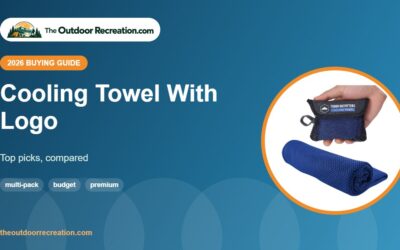
Pockets and cases make cooling towels easier to carry.
These are our picks.
The Outdoor Recreation is reader-supported. As an Amazon Associate we earn from qualifying purchases, at no extra cost to you.
Quick Picks
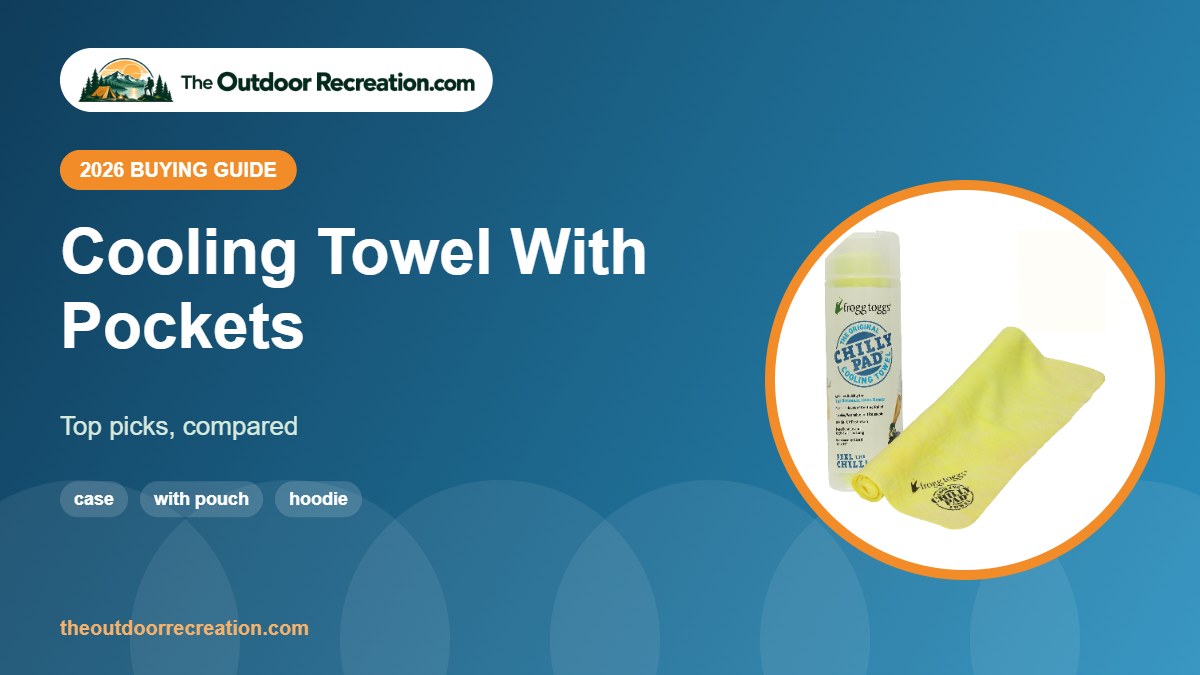
- Best case: Frogg Toggs Chilly Pad
- Best with pouch: MISSION Original Cooling Towel
- Best hoodie: MISSION Cooling Hoodie Towel
- Best value: Tough Outdoors Cooling Towels
- Best clip: Ergodyne Chill-Its 6602 Cooling Towel
Comparison Table
| Product | Best for | Key spec | Standout feature | |
|---|---|---|---|---|
| Frogg Toggs Chilly Pad | Best case | Evaporative | Long lasting | View |
| MISSION Original Cooling Towel | Best with pouch | Cools up to 2 hours | Just add water | View |
| MISSION Cooling Hoodie Towel | Best hoodie | Hood design | UPF 50 sun protection | View |
| Tough Outdoors Cooling Towels | Best value | Neck cooling towels | Multi-pack | View |
| Ergodyne Chill-Its 6602 Cooling Towel | Best clip | 13 x 29.5 in | Long-lasting | View |
Detailed Reviews

1The Frogg Toggs Chilly Pad is a large evaporative towel that stays cool for hours when damp.
It is popular with golfers, hikers and outdoor workers.
Pros & Cons
What we like
- Large
- Long cooling
- Reusable
Watch out for
- Feels stiff when dry
- Needs water
Key Specs
- Type: evaporative towel
- Use: sports, work
- Care: rinse and reuse

2The MISSION Original Cooling Towel cools when you wet, wring and snap it, with no chemicals.
It is a long-running favorite for hikes, sports and theme parks.
Pros & Cons
What we like
- Easy to use
- Reusable
- Trusted brand
Watch out for
- Needs water to recharge
- Small size
Key Specs
- Cooling: up to about 2 hours
- Activation: water
- Material: microfiber

3The MISSION Cooling Hoodie Towel covers your head and neck, cools when wet and adds UPF 50 sun protection.
It is a favorite for golf, festivals and theme parks.
Pros & Cons
What we like
- Head and neck coverage
- UPF 50
- Trusted brand
Watch out for
- Warmer than a flat towel when dry
- One size
Key Specs
- Type: cooling hoodie
- Sun protection: UPF 50
- Use: golf, festivals

4These neck cooling towels come in multi-packs, handy for families and groups.
They are light and pack easily into day bags.
Pros & Cons
What we like
- Multi-pack value
- Light
- Easy to share
Watch out for
- Shorter cooling
- Thin
Key Specs
- Type: cooling towel
- Pack: multi
- Use: family days

5The Ergodyne Chill-Its 6602 is a tough evaporative cooling towel made for outdoor workers.
Its size wraps well around the neck on hikes and theme park days.
Pros & Cons
What we like
- Durable
- Good size
- Many colors
Watch out for
- Needs re-wetting
- Basic look
Key Specs
- Size: 13 x 29.5 in
- Type: evaporative
- Use: work, hiking
How We Chose
We compared size, fabric, cooling time per soak, durability and carry options across dozens of cooling towels, then read verified owner feedback on how long they stay cool in real heat. We did not receive free products, and we do not claim hands-on testing. TOR Scores combine published specs, verified owner feedback and overall value. We cover this in more depth in our roundup of the best cooling towel reviews.
Best Ways to Use a Cooling Towel
Drape a damp towel around your neck, over your head under a hat, or across your shoulders. On theme park days, keep a small water bottle to re-wet it in lines. Golfers often clip one to the bag and wipe their face between holes. For hikers, soaking the towel in a stream (where allowed) gives instant relief on climbs.
Caring for Your Cooling Towel
Rinse your cooling towel in clean water after each use, especially after sweaty or salty days, and hand wash it with mild soap every so often. Skip fabric softener and bleach, which can clog the fibers that make evaporation work. Let it air dry fully before storing, or keep it damp in its carry tube if you will use it again soon. A well-cared-for towel lasts many seasons, while a neglected one can get stiff, smelly and less effective.
Matching a Towel to Your Activity
For hiking, choose a medium towel that wraps the neck and fits a hip pocket. For golf and tennis, longer towels with clips or carry tubes are handy between holes and sets. Theme parks reward compact towels and a small refillable water bottle. Outdoor workers often prefer tougher, larger towels like those designed for job sites. Families save money with multi-packs so everyone has their own. You may also find our guide to the best cooling towel for golf helpful.
How Cooling Towels Work
Most cooling towels use evaporation. You soak the towel, wring it out and snap or shake it, and as water evaporates from the special fabric it draws heat away from your skin. The effect is strongest in dry heat and wind, and weaker in very humid weather when evaporation slows.
Re-wet the towel when it stops feeling cool. Most last one to three hours per soak depending on temperature, humidity and how much air moves across the fabric. Rinse it in clean water after salty or sweaty days so the fibers keep working.
How to Choose a Cooling Towel
- Size: longer towels wrap the neck and drape over the shoulders; small ones fit pockets.
- Fabric: microfiber and mesh weaves cool fast and dry quickly.
- Durability: reinforced edges survive repeated wringing and washing.
- Extras: carry bottles, clips or snap tubes make towels easier to carry.
- Pack size: multi-packs suit families and groups.
For hikes and theme parks, a medium towel that wraps the neck is the most practical choice. Related: our shortlist of the best cooling towel brands.
Cooling Towels and Heat Safety
A cooling towel helps you feel more comfortable, but it does not replace water, shade and rest. Drink regularly, take breaks in the shade and plan strenuous activity for cooler times of day. Watch for signs of heat illness such as heavy sweating, dizziness, headache, nausea or confusion; move to a cool place and seek help if symptoms are serious or do not improve. People with medical conditions should follow their doctor’s advice for hot weather.
Cooling Towels for Runners, Golfers and Sports
Athletes and outdoor workers use cooling towels on the neck, head and shoulders during breaks to feel cooler in hot weather. Thin, quick-drying towels work best for running, while larger towels suit golf, tennis and spectating.
Re-wet the towel at water stops, wring it out and snap or shake it to restart cooling. Clip-on carry cases or bottles keep a damp towel ready on a golf bag or belt. If you are comparing options, our guide to the best cooling towel for the neck is worth a look.
Cooling towels help comfort but do not replace water, shade and rest. Learn the signs of heat illness and stop if you feel dizzy, confused or nauseous; the CDC heat and health pages explain warning signs.
Cooling Towels vs Regular Towels
Cooling towels use thin, highly absorbent fabrics that hold water but let it evaporate quickly, which pulls heat from your skin. A regular cotton bath towel holds water too, but it is heavy, dries slowly and does not spread water as evenly, so it feels soggy rather than cool.
Cooling towels are also lighter, pack smaller and usually come with a carry case. Some use special mesh weaves or treatments marketed to stay cool longer. Regular towels are better for drying off after a swim or shower.
For hot days, a cooling towel is more practical around your neck. For the beach, many people bring both: a bath towel for drying and a cooling towel for comfort.
Related guides: best cooling towel with zipper, best cooling towel with handle, best cooling towel. See every pick in our Outdoor Apparel category.
Sources and further reading: National Park Service: the Ten Essentials (sun protection), Leave No Trace: the 7 Principles and National Park Service: camping basics. Product details come from brand listings on Amazon.
Frequently Asked Questions
How long do cooling towels stay cold?
Usually one to three hours per soak, depending on heat, humidity and airflow.
Do cooling towels work in humidity?
They work less well in very humid air because water evaporates more slowly.
Can I wash a cooling towel?
Yes, rinse or hand wash with mild soap and air dry; check the label.
Are cooling towels allowed at Disney World?
Small personal cooling towels are generally fine; check current park rules before you go.
Final Verdict
The Frogg Toggs Chilly Pad comes in a handy case.





Write Your Review
No reviews yet. Be the first to share your experience!