

The Outdoor Recreation is reader-supported. As an Amazon Associate we earn from qualifying purchases, at no extra cost to you. Related: our shortlist of the best camping chair under 100.
Shopping for the best drone under $100 is a different kind of challenge from buying a flagship. At this level, you are not chasing cinema-grade footage — you are looking for a drone that is easy to fly, hard to break, and fun enough to make you want to fly again tomorrow. If you are comparing options, our guide to the best drone under $1000 is worth a look.
The good news is that budget drones have improved enormously. The five picks below are all approachable, stable flyers with cameras good enough for sharing and learning. Prices change often, so check Amazon for current pricing — and remember that at this level, durability and ease of use matter more than any spec on the box.
Quick Picks
- Best first drone: DJI Mini 2 SE
- Best easiest to fly: DJI Neo
- Best best budget camera: DJI Mini 4K
- Best best value bundle: Potensic Atom SE
- Indoor kids drone: Holy Stone Mini Drone for Kids and Beginners
Comparison Table
| Product | Best for | Key attribute | Standout feature | View |
|---|---|---|---|---|
| DJI Mini 2 SE | first-time pilots and budget-conscious buyers | 2.7K camera with 3-axis gimbal stabilization | One of the lightest, simplest DJI drones to fly | View |
| DJI Neo | vloggers and selfie-style creators | Palm takeoff and AI subject tracking | Just 135g — the lightest DJI drone with a camera | View |
| DJI Mini 4K | beginners who want true 4K on a budget | 4K camera with 3-axis gimbal | True 4K video in the most affordable DJI Mini body | View |
| Potensic Atom SE | budget buyers who want a dependable 4K flyer | 4K camera with 3-axis gimbal | Up to 62 minutes of total flight time with extra batteries | View |
| Holy Stone Mini Drone for Kids and Beginners | indoor kids drone. | – | – | View |
Detailed Reviews

DJI Mini 2 SE
TOR Score: 8.4/10
Best for: first-time pilots and budget-conscious buyers.
Think of the Mini 2 SE as a training drone that you will actually keep using. The image quality is solid for social sharing and family trips, the controls are intuitive, and the low weight keeps things simple. Serious creators will eventually want more, but beginners will not feel shortchanged.
What we like: Very affordable entry point; stable, beginner-friendly flight; under 249g.
Watch out for: 2.7K rather than 4K video; basic obstacle avoidance.
Key Specs: Weight: under 249g | Camera: 2.7K, 3-axis gimbal | Flight time: up to 31 minutes | Transmission: OcuSync 2.

DJI Neo
TOR Score: 8.2/10
Best for: vloggers and selfie-style creators.
What the Neo gives up in range and wind resistance it makes up for in sheer convenience. You can launch it in seconds, let it track you on a trail or a beach, and land it back in your hand. It is a specialist, but for self-filmed content it is a brilliant one.
What we like: Palm-sized and incredibly easy to use; clever AI tracking; great for solo creators.
Watch out for: Short flight time; struggles in strong wind.
Key Specs: Weight: 135g | Camera: 4K | Flight time: up to 18 minutes | Tracking: AI subject tracking.
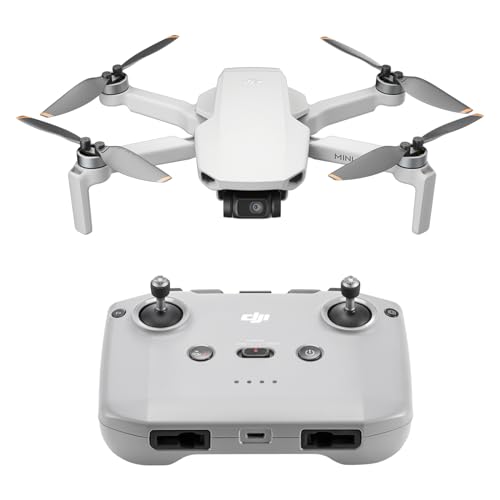
DJI Mini 4K
TOR Score: 8.5/10
Best for: beginners who want true 4K on a budget.
This is the drone for anyone who looked at the Mini 2 SE and wished for 4K. Everything else about the formula stays the same — light, simple, and forgiving — while the footage takes a clear step up. It is a smart pick for casual creators who want their clips to look sharp on any screen.
What we like: True 4K video; very light and portable; easy to learn.
Watch out for: No advanced obstacle sensing; shorter feature list than the Pro models.
Key Specs: Weight: under 249g | Camera: 4K, 3-axis gimbal | Flight time: up to 31 minutes | Transmission: OcuSync 2.

Potensic Atom SE
TOR Score: 8.3/10
Best for: budget buyers who want a dependable 4K flyer.
For first-time buyers watching their spending, the Atom SE is a smart compromise. You lose some range and refinement compared with pricier models, but the core experience — stable 4K video from a light, foldable drone — is intact. It is easy to recommend to beginners.
What we like: Great value with spare batteries included; stable 4K footage; beginner-friendly.
Watch out for: Shorter control range than flagship models; basic obstacle avoidance.
Key Specs: Weight: under 249g | Camera: 4K, 3-axis gimbal | Flight time: up to 31 minutes per battery.

Holy Stone Mini Drone for Kids and Beginners
TOR Score: 8/10
Best for: indoor kids drone.
This Holy Stone nano drone is a small, light quadcopter built for kids and first-time pilots to fly indoors or in calm weather. Altitude hold and headless mode make it easier to control while learning.
What we like
- Easy to learn
- Small and light
- Affordable
Watch out for
- No camera
- Short flight time
Key Specs
- Type: nano quadcopter
- Features: altitude hold, headless mode
- Use: kids, indoors
How We Chose
At this level we judged drones the way a first-time buyer would: how quickly can you get it in the air, how stable does it feel, and how forgiving is it when you make a mistake? Camera quality mattered, but only in the sense of usable, shareable video — not professional grading. We also favored models from established brands with spare parts and real customer support, because a budget drone you cannot repair is not a bargain. For a closer look, see our guide to the best camera backpack under 100.
How to Choose the Right Drone
- Start small and light: lighter drones are easier to control and less intimidating to learn on.
- Look for GPS hold and return-to-home: these features rescue beginners more than any camera spec.
- Expect wind limits: small, light drones struggle in gusty conditions, so fly on calm days.
- Budget for spare propellers: every beginner clips a branch eventually.
- Check what is in the box: extra batteries and a carrying case add real value at this level.
What to Realistically Expect From a Budget Drone
A budget-friendly drone will not match a flagship camera, and it should not have to. What you should expect is stable, watchable video in good daylight, controls that respond predictably, and enough flight time to practice meaningfully. The best budget drones deliver exactly that, and the gap to premium models only really shows up in low light, strong wind, or demanding editing.
Tips for Your First Flights
Pick a wide open space — a park field or an empty beach — and fly on a calm morning. Start with short, low flights and practice hovering, gentle turns, and landing before you try anything ambitious. Keep the drone within easy sight, and set the return-to-home altitude high enough to clear nearby trees. We cover this in more depth in our roundup of the best drone 2026.
Frequently Asked Questions
Can you get a good drone under $100?
You can get a good beginner drone in this range, especially from established budget brands. Expect solid daylight video and easy controls rather than professional image quality.
What is the easiest drone for a complete beginner?
The DJI Neo is arguably the easiest drone ever made, with palm takeoff and automatic tracking. The DJI Mini 2 SE is another very forgiving first drone.
Do budget drones have cameras?
Yes — every pick in this guide has a camera, and several shoot 4K video. Just remember that stabilization and sensor size matter as much as resolution.
How long do budget drones fly per charge?
Most offer around 20 to 30 minutes per battery in real use. Models that include a spare battery effectively double your session.
Are budget drones good for kids?
Many are, but check the manufacturer’s recommended age and always supervise younger pilots. Lightweight drones with propeller guards are the safest choice for kids.
Final Verdict
If you want the most drone for the least money, the DJI Mini 4K is our top budget-friendly pick: true 4K video in a light, beginner-friendly body. The Mini 2 SE is the best pure starter drone, and the Potensic Atom SE offers the best bundle value. Whichever you choose, keep your expectations honest, fly on calm days, and enjoy learning — that is what this price range is for.
Related guides: Explore more outdoor gear and tech guides on The Outdoor Recreation.
How to Choose a Drone
- Weight: drones under 250 g are easier to travel with, but rules still apply.
- Camera: larger sensors and 3-axis gimbals give smoother, sharper footage.
- Safety features: obstacle sensing and return-to-home help beginners.
- Flight time and range: spare batteries matter more than spec-sheet range.
- Controller: screen controllers are convenient; phone controllers are cheaper.
For most beginners, a sub-250 g drone with GPS and return-to-home is the best start.
Related guides: see every pick in our Outdoor Gear & Tech category.
Sources and further reading: FAA: Recreational Flyers & Community-Based Organizations and FAA: Unmanned Aircraft Systems. Product details come from brand listings on Amazon. Always check local rules, airspace and park regulations before you fly.
Write Your Review
No reviews yet. Be the first to share your experience!