

Fingers get cold first.
These picks warm them best.
The Outdoor Recreation is reader-supported. As an Amazon Associate we earn from qualifying purchases, at no extra cost to you.
Quick Picks
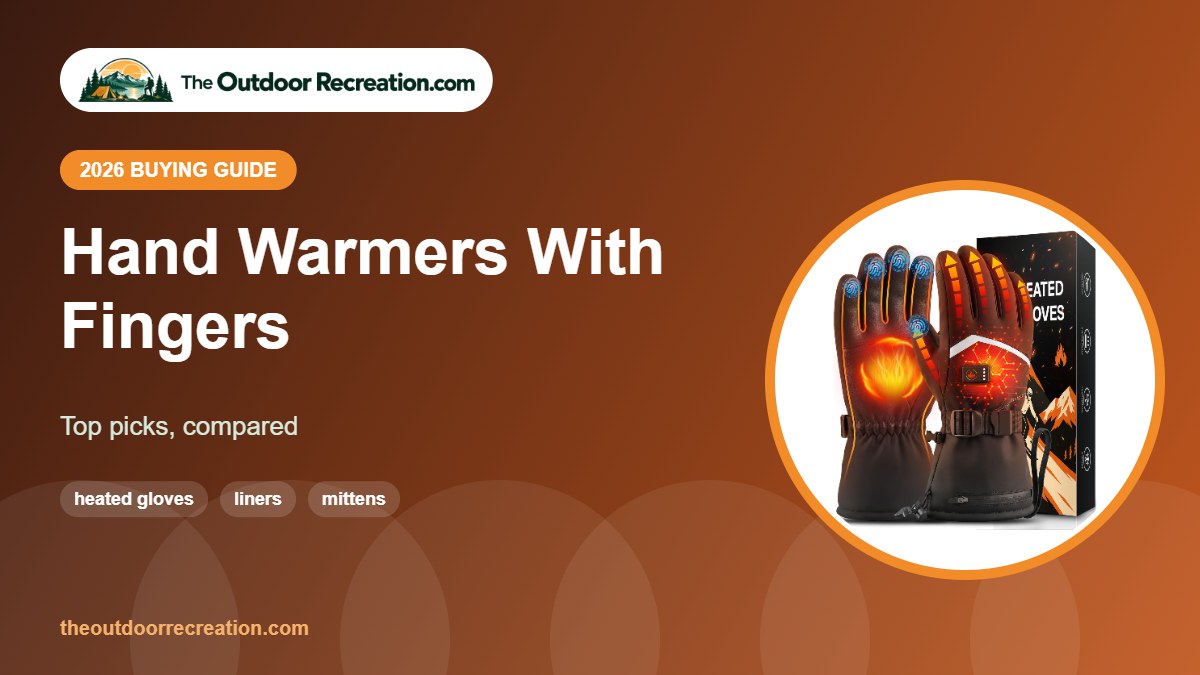
- Best heated gloves: 7.4V 6000mAh Waterproof Heated Gloves
- Best liners: Heated Glove Liners with 6000mAh Battery
- Best mittens: Rechargeable Waterproof Heated Mittens
- Best work gloves: 7.4V Heated Work and Ski Gloves
- Best packets: HotHands Hand Warmers (40 Pairs)
Comparison Table
| Product | Best for | Type | Standout feature | |
|---|---|---|---|---|
| 7.4V 6000mAh Waterproof Heated Gloves | Best heated gloves | Waterproof shell | Touchscreen fingertips | View |
| Heated Glove Liners with 6000mAh Battery | Best liners | Thin liners | 3 heat levels | View |
| Rechargeable Waterproof Heated Mittens | Best mittens | Mitten design | Waterproof | View |
| 7.4V Heated Work and Ski Gloves | Best work gloves | 7.4V battery | Built for work and skiing | View |
| HotHands Hand Warmers (40 Pairs) | Best packets | 40 pairs | Air-activated, no batteries | View |
Detailed Reviews

1These heated gloves use 7.4V 6000mAh batteries, a waterproof shell and reflective strips for cold, wet days.
Touchscreen fingertips let you use your phone without taking them off.
Pros & Cons
What we like
- Waterproof
- Long battery life
- Touchscreen
Watch out for
- Bulkier than liners
- Batteries add weight
Key Specs
- Battery: 7.4V 6000mAh
- Shell: waterproof
- Extras: touchscreen, reflective

2These heated glove liners are thin enough to wear alone or under ski gloves and offer three heat levels.
They suit runners, dog walkers and anyone who needs dexterity.
Pros & Cons
What we like
- Thin and flexible
- Layer under gloves
- Touchscreen
Watch out for
- Less insulation alone
- Not waterproof
Key Specs
- Type: heated liner
- Heat: 3 levels
- Battery: 6000mAh

3These heated mittens keep fingers together for extra warmth and add rechargeable heat and a waterproof shell.
They suit skiing, winter walks and very cold hands.
Pros & Cons
What we like
- Warmest style
- Waterproof
- Rechargeable
Watch out for
- Less dexterity
- Bulky
Key Specs
- Type: heated mitten
- Shell: waterproof
- Use: skiing, winter walks

4These 7.4V heated gloves are built for outdoor work, skiing and snowboarding, with heat across the back of the hand and fingers.
Many buyers with cold or stiff hands like their steady warmth.
Pros & Cons
What we like
- Strong heat
- Versatile
- Good coverage
Watch out for
- Heavier
- Check sizing chart
Key Specs
- Battery: 7.4V
- Use: work, ski
- Coverage: back of hand and fingers

5HotHands air-activated hand warmers heat up when you open the packet and need no batteries or charging.
They are the classic choice for stadiums, hunting blinds, ski days and emergency kits.
Pros & Cons
What we like
- Cheap per use
- Light and thin
- No charging
Watch out for
- Single use
- Heat cannot be adjusted
Key Specs
- Type: air-activated packet
- Count: 40 pairs
- Use: outdoor events, emergencies
How We Chose
We compared heat output, run time, heat settings, size, charging and safety features across dozens of hand warmers and heated gloves, then read verified owner feedback on warmth and reliability. We did not receive free products, and we do not claim hands-on testing. TOR Scores combine published specs, verified owner feedback and overall value. We cover this in more depth in our roundup of the best hand warmers.
How to Choose Heated Gloves
- Battery and run time: look for clear run times per heat setting and spare batteries for long days.
- Heat coverage: the best gloves heat the back of the hand and the fingers, where cold hits hardest.
- Waterproofing: ski and snow gloves need waterproof shells and insulation that works even with heat off.
- Dexterity: liners and thinner gloves let you use phones and gear; mittens are warmer but bulkier.
- Fit: heated gloves should fit snugly so the elements sit close to your fingers.
Heated gloves cost more than regular gloves, but they can make cold days far more comfortable for skiers, riders, workers and anyone with cold hands.
Batteries and Care for Heated Gear
Heated gloves and electric hand warmers use lithium batteries that lose capacity in deep cold. Keep spares in an inside pocket, start on a lower setting and only use high heat when needed.
Charge batteries fully before storing them for the season, then top them up every few months. Remove batteries before washing gloves, and follow the maker’s cleaning instructions. If a battery is damaged or swollen, stop using it and recycle it properly. You may also find our guide to the best hand warmers for women helpful.
For travel, keep spare lithium batteries in your carry-on and protect the terminals from short circuits.
Using Hand Warmers Safely
Hand warmers can get hot enough to cause low-temperature burns if held against bare skin for a long time, especially for people with reduced feeling in their hands. Keep warmers in a pocket, mitten or pouch rather than directly on skin, and check skin regularly.
Older adults, people with diabetes or circulation problems, and anyone with reduced sensation should be extra careful and follow the maker’s instructions. Do not use warmers while sleeping, and never use them on infants or people who cannot remove them on their own.
For rechargeable warmers, use the supplied cable, avoid charging under pillows or blankets, and stop using a unit that swells or gets unusually hot. When flying, lithium batteries usually belong in carry-on bags; see the FAA PackSafe lithium battery guidance.
Types of Hand Warmers Explained
- Air-activated packets: single-use iron powder warmers that heat up when opened and last several hours. Cheap, light and great for a day outside.
- Rechargeable electric warmers: lithium battery warmers with heat settings that you charge over USB. Many double as power banks.
- Reusable gel warmers: click a metal disc to start the heat, then boil to reset. Short heat time but no batteries.
- Fuel warmers: lighter-fluid or catalytic warmers that run hot for many hours but need careful handling.
- Heated gloves and mittens: battery-heated gloves that warm the whole hand, including fingers.
Which is best depends on how long you are out, whether you can charge a battery, and how much bulk you will carry. Many people keep a few packets for emergencies and a rechargeable warmer for daily use. Related: our shortlist of the best hand warmers reviews.
How to Choose a Hand Warmer
Start with run time. Disposable packets often last up to around 8 to 10 hours at a gentle heat, while rechargeable warmers usually run a few hours on high and longer on low. If you are out all day skiing or hunting, look for long low-setting run times or carry two warmers.
Next, think about size. Small warmers fit inside gloves and pockets; larger ones put out more heat and hold bigger batteries. Double-sided heating, magnetic split designs that work as two warmers, and power bank outputs add flexibility.
Finally, consider comfort and safety. Look for several heat settings, rounded edges, a pouch or cover, and clear temperature guidance from the maker. Rechargeable warmers should have overheat protection and a reputable battery. If you are comparing options, our guide to the best hand warmers for golf is worth a look.
Rechargeable vs Disposable Hand Warmers
Rechargeable warmers cost more up front but can be used hundreds of times, which saves money and waste if you use them often. They also let you choose a heat level and turn them off between uses. The downside is that you need to remember to charge them, and cold weather shortens battery life.
Disposable packets are cheap, light and need no planning. They are great for emergency kits, stadium seats and long days when you cannot charge anything. However, they create waste and you cannot turn them off once activated.
Many outdoor lovers use both: a rechargeable warmer for commutes and short outings, and a few air-activated packets in the car, pack or ski jacket for backup.
Related guides: best heated gloves, best hand warmers under desk, best heated gloves. See every pick in our Outdoor Gear & Tech category.
Sources and further reading: National Park Service: the Ten Essentials, Leave No Trace: the 7 Principles and National Park Service: camping basics. Product specs come from brand listings on Amazon; always check your airline’s current carry-on size rules before you fly.
Frequently Asked Questions
How long do hand warmers last?
Disposable packets often last many hours; rechargeable warmers vary by heat setting and battery size.
Are rechargeable hand warmers worth it?
If you use warmers often, yes; they save money and waste over time.
Can hand warmers burn skin?
Yes, if held against bare skin for long periods. Use a pouch or pocket and check skin often.
Can I fly with a rechargeable hand warmer?
Lithium devices usually go in carry-on bags; check FAA and airline rules.
Final Verdict
Heated gloves with finger elements, like the 7.4V 6000mAh Heated Gloves, warm fingertips best.





Write Your Review
No reviews yet. Be the first to share your experience!