

Best Base Layer vs 2nd Layer: How They Differ and Top Picks
Base layer vs second (mid) layer: what each does, how to combine them, and the best base layers to build your winter layering system.
Our picks are based on research: published specs, manufacturer details and verified owner reviews. We do not claim hands-on testing unless a review says so. When you buy through our links, we may earn a commission at no extra cost to you. As an Amazon Associate we earn from qualifying purchases. Read our full disclosure ›
Browse our latest articles
Base layer vs second (mid) layer: what each does, how to combine them, and the best base layers to build your winter layering system.
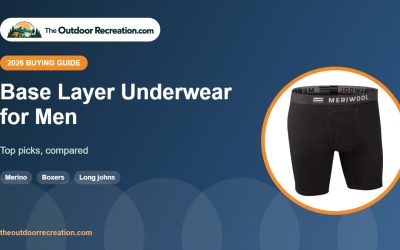
The best base layer underwear for men: merino boxer briefs, merino long johns and fleece-lined thermal bottoms for sport, travel and work.

Which base layer material is best? We compare merino wool, synthetic, merino blends and fleece-lined fabrics, with top picks for each.

The best base layers for women: merino sets for sport, heavyweight and fleece-lined thermals for everyday cold, with sizing advice.

The best base layers for snowboarding: wicking merino, stretchy synthetics and warm thermals for powder days, park laps and cold lifts.

The best base layers for skiing: merino sets, fitted synthetics and fleece-lined thermals that stay comfortable under ski pants and boots.
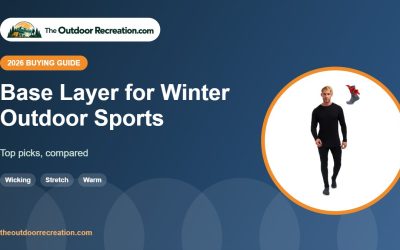
The best base layers for winter outdoor sports: wicking merino and synthetic layers for skiing, running, hiking, golf and snowshoeing.

The best base layers for men: merino sets, ColdGear mock necks, fleece-lined thermals and work-ready merino blends compared.

The best base layers for kids and toddlers: merino and fleece thermal sets for skiing, sledding, school and winter play.
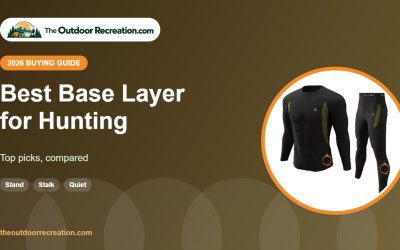
The best base layers for hunting: fleece-backed thermals for cold stands, merino blends for stalking, and hooded layers for deep cold.