

Clay chimineas soak up water, and wet clay that heats quickly can crack. Sealing the outside with a breathable sealer helps keep moisture out.
We explain what to use and what to avoid.
The Outdoor Recreation is reader-supported. As an Amazon Associate we earn from qualifying purchases, at no extra cost to you.
Quick Picks
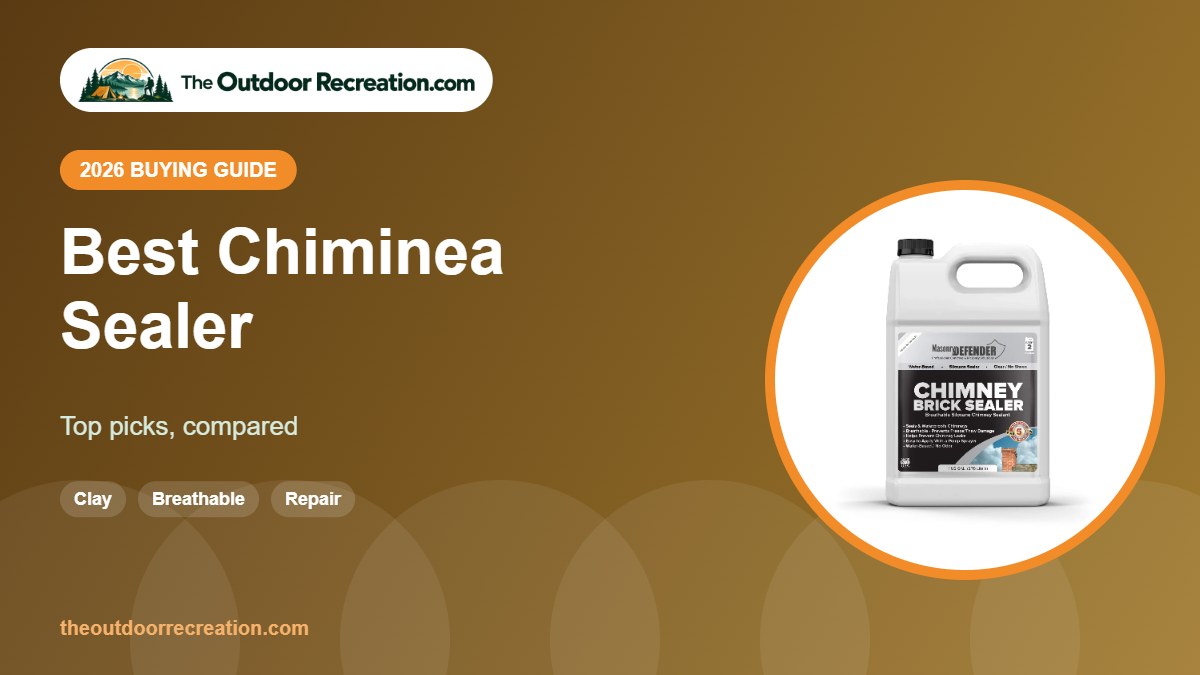
- Best exterior sealer: MasonryDefender Siloxane Sealer
- Best for crack repair: Kraken Bond High-Temp Fireplace Sealant
- Best protection: a cover: Heavy-Duty 600D Chiminea Cover
- Best siloxane alternative: ChimneyRx Siloxane Water Repellent
- Best metal touch-up paint: Rust-Oleum High Heat BBQ Black Spray
- Best extreme-heat paint: Rust-Oleum High Heat Spray, 2000°F
Comparison Table
| Product | Best for | Type | Standout feature | |
|---|---|---|---|---|
| MasonryDefender Siloxane Sealer | Best exterior sealer | Water-based siloxane | Breathable, clear | View |
| Kraken Bond High-Temp Fireplace Sealant | Best for crack repair | Rated 2732°F | Fills cracks | View |
| Heavy-Duty 600D Chiminea Cover | Best protection: a cover | 24 D x 48 H in | 600D Oxford fabric | View |
| ChimneyRx Siloxane Water Repellent | Best siloxane alternative | Siloxane, breathable | Non-film-forming | View |
| Rust-Oleum High Heat BBQ Black Spray | Best metal touch-up paint | Up to 1200°F | Rust protection | View |
| Rust-Oleum High Heat Spray, 2000°F | Best extreme-heat paint | Up to 2000°F | Higher heat rating | View |
Detailed Reviews

1MasonryDefender’s clear, water-based siloxane sealer is made for brick and masonry, and it lets trapped moisture escape so freeze-thaw cycles do less damage.
That breathable behavior is exactly what you want on the outside of a clay chiminea. Test on a small area first and do not seal the inside.
Pros & Cons
What we like
- Breathable
- Clear finish
- Water-based
Watch out for
- Made for masonry, not specifically chimineas
- Reapply over time
Key Specs
- Type: water-based siloxane
- Finish: clear
- Use: masonry, clay exterior

2. Kraken Bond High-Temp Fireplace Sealant
2Kraken Bond’s fireplace sealant cures into a hard, dark grey mass that the brand rates to about 2,700°F.
It is useful for filling small cracks and gaps in cast iron or clay fire features, not for waterproofing a whole surface.
Pros & Cons
What we like
- Very high temperature rating
- Fills cracks
- Easy to apply
Watch out for
- Dark color shows on light clay
- Not a waterproof coating
Key Specs
- Rating: 2732°F (brand)
- Use: crack and gap repair
- Pack: 2 x 10.1 oz

3This heavy-duty cover uses 600D Oxford fabric and measures 24 inches in diameter by 48 inches high, which fits most standard chimineas.
It is a good all-round cover for winter storage.
Pros & Cons
What we like
- Thick 600D fabric
- Fits most chimineas
- Waterproof
Watch out for
- Single size
- Can trap moisture if put on wet
Key Specs
- Material: 600D Oxford
- Size: 24 D x 48 H in

4. ChimneyRx Siloxane Water Repellent
4ChimneyRx’s siloxane water repellent penetrates up to about 1/4 inch into masonry and creates a breathable barrier without changing the look of brick or stone.
It is a good alternative to MasonryDefender for the outside of a clay chiminea. Test a small spot first.
Pros & Cons
What we like
- Breathable
- Does not change appearance
- Penetrating
Watch out for
- Made for masonry, not clay specifically
- Reapply over time
Key Specs
- Type: siloxane water repellent
- Finish: non-film-forming
- Penetration: up to 1/4 in (brand)

5. Rust-Oleum High Heat BBQ Black Spray
5Rust-Oleum’s High Heat enamel retains its color on metal surfaces exposed to intermittent heat up to 1,200°F.
Use it to touch up the outside of cast iron and steel chimineas, not clay. Paint only when the chiminea is cold and clean.
Pros & Cons
What we like
- Rated to 1200°F
- Rust protection
- Easy spray
Watch out for
- For metal only
- Needs good ventilation when spraying
Key Specs
- Rating: intermittent 1200°F
- Use: metal surfaces
- Finish: flat black
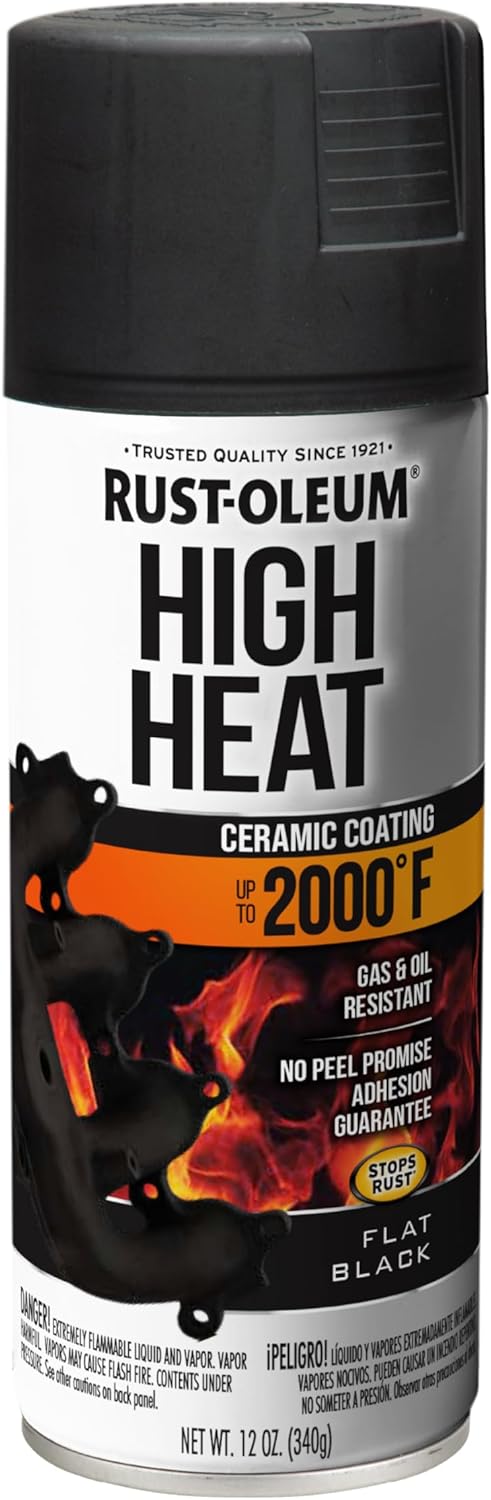
6This Rust-Oleum high heat spray is rated for intermittent heat up to 2,000°F and includes a rust-stopping formula.
It is designed for automotive parts but its high rating makes it a strong choice for the hottest parts of a metal chiminea, such as the chimney throat.
Pros & Cons
What we like
- Very high heat rating
- Stops rust
- Fast drying
Watch out for
- Automotive product
- Metal only
Key Specs
- Rating: intermittent 2000°F
- Finish: flat black
- Coverage: ~10 sq ft per can
How We Chose
We compared materials, sizes, safety features and accessories across dozens of listings, then read verified owner feedback to find durability and usability problems that spec sheets miss. We did not receive free products, and we do not claim hands-on testing. TOR Scores combine published specs, verified owner feedback and overall value.
How to Season and Care for a Clay Chiminea
Clay chimineas need a little more care than metal ones, but they reward you with a warm, glowing look.
- Add a base layer. Fill the bottom with 3 to 4 inches of sand or lava rock. This protects the clay from direct flame and spreads heat evenly.
- Cure it. Burn three or four small fires with kindling or paper, letting it cool fully between each one.
- Seal the outside. A breathable, water-based masonry sealer helps keep moisture out of the clay. Do not seal the inside.
- Keep it dry. Use a waterproof cover or move it under shelter. Wet clay that heats quickly is the main cause of cracks.
- Avoid frost. In freezing climates, bring clay chimineas into a shed or garage for winter.
How to Seal a Clay Chiminea
- Make sure the chiminea is completely dry and cool.
- Brush off dust and loose debris.
- Test the sealer on a small hidden area first.
- Apply a thin coat of breathable water-based masonry sealer to the outside only.
- Let it cure fully, as the label directs, before lighting a fire.
- Reapply every season or two.
What Not to Use
- Do not seal the inside of the chiminea; heat and fumes can damage coatings.
- Avoid non-breathable paints and varnishes that trap moisture in the clay.
- Do not use oil-based sealers that could smoke when heated.
Cast iron chimineas do not need sealer. Touch up chips with high-temperature stove paint instead.
Related guides: best chiminea cover, best chiminea 2026 model, best chiminea with stand, best chiminea underlayment. See every pick in our Fire Pits category.
Choosing Firewood for a Chiminea
The best fuel is small, dry, seasoned hardwood cut to fit the chiminea’s mouth with room to spare. Oak, hickory, ash and fruitwoods such as apple and cherry burn hot and clean with good coals for cooking. Softwoods like pine light easily but spit sparks and leave more soot in the chimney. Wood should be seasoned for at least six months and feel light, with cracks on the ends. Wet wood smokes heavily and cools the fire. Avoid treated lumber, pallets with chemical stamps, painted wood and trash, which can release harmful fumes.
Build a small teepee of kindling over paper or a natural fire starter, add two or three small splits once it catches, and keep adding wood a piece at a time. A chiminea works best with a modest, steady fire rather than a big blaze.
Sources and further reading: NFPA: safety with heating equipment, CDC: carbon monoxide poisoning basics and Smokey Bear: campfire safety. Product details come from brand listings on Amazon. Always follow the manufacturer’s instructions and local burn rules.
Frequently Asked Questions
Do you need sand in a chiminea?
For clay chimineas, yes. Add 3 to 4 inches of sand or lava rock to protect the base from direct flame. Many metal chimineas use a grate instead; follow the manufacturer’s guidance.
Should you cover a chiminea?
Yes, once it is cold. A waterproof cover keeps rain out of the bowl and stops rust and cracking.
Is a clay or cast iron chiminea better?
Clay looks traditional and radiates a gentle heat but can crack with big fires or moisture. Cast iron is heavier, more durable and handles bigger fires and cooking.
Do you seal the inside of a clay chiminea?
No. Seal only the outside. The inside should be protected with a sand or lava rock base and small fires.
How often should I seal a clay chiminea?
Most owners reseal the outside once a season or whenever water stops beading on the surface.
Final Verdict
For clay chimineas, a breathable water-based masonry sealer like MasonryDefender on the outside, plus a good cover, is the best protection. Use Kraken Bond only to fill small cracks.






Write Your Review
No reviews yet. Be the first to share your experience!