

The Outdoor Recreation is reader-supported. As an Amazon Associate we earn from qualifying purchases, at no extra cost to you. If you are comparing options, our guide to the best depth finder under $200 is worth a look.
Finding the best drone under $200 means threading a needle: you want a real camera and stable flight, not a toy that drifts into a tree on its first outing. The good news is that this is now a genuinely competitive category, with established brands offering stabilized cameras, GPS features, and honest flight times. For a closer look, see our guide to the best backpacking backpack under $200.
The five drones below are the strongest budget-friendly options we found. They are all easy to fly, all produce shareable video, and all come from brands with real support networks. Prices change often, so check Amazon for current pricing — and focus on the flying experience, not the headline numbers.
Quick Picks
- Best best budget camera: DJI Mini 4K
- Best best starter drone: DJI Mini 2 SE
- Best best value bundle: Potensic Atom SE
- Best best value bundle: Potensic Atom SE
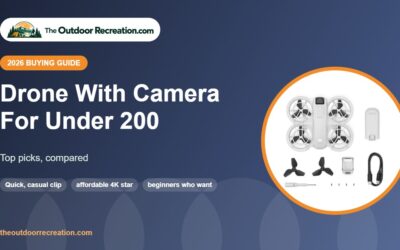
- Cheapest way into FPV: DJI Neo
Comparison Table
| Product | Best for | Key attribute | Standout feature | View |
|---|---|---|---|---|
| DJI Mini 4K | beginners who want true 4K on a budget | 4K camera with 3-axis gimbal | True 4K video in the most affordable DJI Mini body | View |
| DJI Mini 2 SE | first-time pilots and budget-conscious buyers | 2.7K camera with 3-axis gimbal stabilization | One of the lightest, simplest DJI drones to fly | View |
| Potensic Atom SE | budget buyers who want a dependable 4K flyer | 4K camera with 3-axis gimbal | Up to 62 minutes of total flight time with extra batteries | View |
| Potensic Atom | travelers wanting 4K and long range for less | 4K camera with 3-axis gimbal | Long-range transmission and a sub-250g body | View |
| DJI Neo | cheapest way into FPV. | – | – | View |
Detailed Reviews
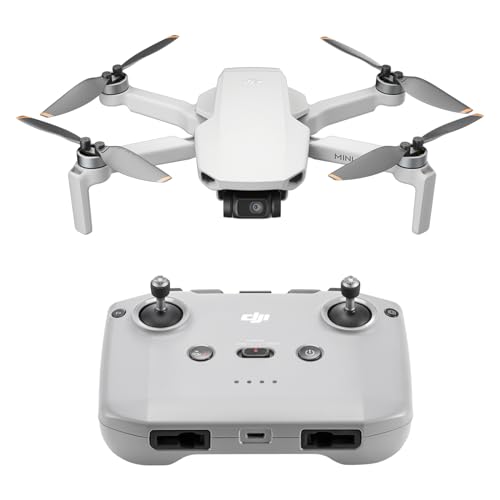
DJI Mini 4K
TOR Score: 8.5/10
Best for: beginners who want true 4K on a budget.
The Mini 4K fixes the one thing budget buyers used to compromise on: resolution. You get genuine 4K footage from a stable 3-axis gimbal in a drone that weighs less than 249 grams. For holidays, hikes, and first flights, it delivers the core DJI experience without the core DJI price.
What we like: True 4K video; very light and portable; easy to learn.
Watch out for: No advanced obstacle sensing; shorter feature list than the Pro models.
Key Specs: Weight: under 249g | Camera: 4K, 3-axis gimbal | Flight time: up to 31 minutes | Transmission: OcuSync 2.

DJI Mini 2 SE
TOR Score: 8.4/10
Best for: first-time pilots and budget-conscious buyers.
The Mini 2 SE is the gentlest possible introduction to DJI drones. It is light, quiet, and remarkably stable in the air, and the 2.7K camera with a proper 3-axis gimbal produces footage that looks far better than its positioning suggests. For learning the basics, it is hard to beat.
What we like: Very affordable entry point; stable, beginner-friendly flight; under 249g.
Watch out for: 2.7K rather than 4K video; basic obstacle avoidance.
Key Specs: Weight: under 249g | Camera: 2.7K, 3-axis gimbal | Flight time: up to 31 minutes | Transmission: OcuSync 2.

Potensic Atom SE
TOR Score: 8.3/10
Best for: budget buyers who want a dependable 4K flyer.
The Atom SE brings the Atom formula down to a friendlier level. The 4K camera and 3-axis gimbal produce stable, detailed footage, and the bundled extra batteries mean long sessions without waiting on a charger. It is a practical, honest budget drone.
What we like: Great value with spare batteries included; stable 4K footage; beginner-friendly.
Watch out for: Shorter control range than flagship models; basic obstacle avoidance.
Key Specs: Weight: under 249g | Camera: 4K, 3-axis gimbal | Flight time: up to 31 minutes per battery.

Potensic Atom
TOR Score: 8.4/10
Best for: travelers wanting 4K and long range for less.
Potensic has quietly built a strong reputation with the Atom. The camera holds up well in daylight, the controls feel polished, and the flight time is competitive. It is not quite as refined as the best DJI models in tricky light, but the value on offer is hard to ignore.
What we like: Strong value; good 4K video; portable folding design.
Watch out for: Less polished app experience than DJI; weaker low-light performance.
Key Specs: Weight: under 249g | Camera: 4K, 3-axis gimbal | Flight time: up to 32 minutes | Transmission: long-range digital.

DJI Neo
TOR Score: 8.2/10
Best for: cheapest way into FPV.
The Neo weighs just 135 grams, takes off from your palm, and follows you without a controller. It is built for quick, casual clips and for people who want a drone that feels more like a flying camera than an aircraft.
What we like:
- Tiny 135-gram body
- Palm takeoff with no controller needed
- Easy follow modes
Watch out for:
- Short 18-minute flight time
- Struggles in strong wind
Key Specs: 12MP camera; 4K/30 video; up to 18 minutes of flight time; AI subject tracking.
How We Chose
We focused on drones that a beginner can fly confidently on day one: stable GPS hovering, return-to-home, and a camera that produces clean footage in daylight. We also weighed what comes in the box, since spare batteries and cases matter more at this level than they do at the top end. Every pick here is a real drone from an established brand — no no-name toys made the list. We cover this in more depth in our roundup of the best drone under $100.
How to Choose the Right Drone
- Prioritize stabilization over resolution: a smooth 2.7K video beats shaky 4K every time.
- Check the weight: sub-250g drones are easier to travel with and face simpler rules.
- Look for GPS features: return-to-home and position hold are the most valuable beginner features.
- Count the batteries: two batteries effectively doubles your flying time.
- Read the wind: light budget drones are happiest on calm days — save gusty afternoons for practice on the ground.
Budget Drones Have Grown Up
It was not long ago that a budget drone meant a fixed camera, vague controls, and footage that looked like it was shot from a washing machine. That era is over. Three-axis gimbals, GPS positioning, and proper flight apps have filtered down to the most affordable models, and the difference shows in every clip.
Getting the Most From a Budget Drone
The single best upgrade for any budget drone is not a new drone — it is practice. Smooth, slow stick movements, gentle turns, and planned flight paths will improve your footage more than any accessory. Shoot in the golden hour, keep the sun behind you, and fly low and slow over interesting foregrounds. You may also find our guide to the best action camera under $200 helpful.
Frequently Asked Questions
What is the best drone under $200 for beginners?
The DJI Mini 2 SE is the most forgiving first drone, while the DJI Mini 4K adds true 4K video for a small step up. Both are light, stable, and easy to learn.
Can a drone in this range shoot 4K video?
Yes — several picks here, including the DJI Mini 4K and the Potensic Atom SE, shoot stabilized 4K video. Just remember that stabilization matters as much as resolution.
Do I need to register a sub-250g drone?
In the United States, sub-250g drones flown recreationally generally do not need registration, but you should still follow local rules and pass the TRUST test.
How far can budget drones fly?
Advertised range is measured in ideal conditions. In practice, keep any budget drone within clear visual line of sight — that is both the law in most places and the safe choice.
Are Potensic and Ruko drones reliable?
Both brands have built solid reputations in the budget category, with real customer support and spare parts. They are not as polished as DJI, but they offer strong value.
Final Verdict
For most buyers, the DJI Mini 4K is the best drone under $200: genuine 4K video, a stable gimbal, and a beginner-friendly body in one light package. If you want the easiest possible start, the Mini 2 SE is the pick; if you want the most in the box, the Potensic Atom SE’s spare batteries are hard to beat. Start flying, keep it simple, and upgrade when your skills — not your shopping habit — demand it.
Related guides: Explore more outdoor gear and tech guides on The Outdoor Recreation.
How to Choose a Drone
- Weight: drones under 250 g are easier to travel with, but rules still apply.
- Camera: larger sensors and 3-axis gimbals give smoother, sharper footage.
- Safety features: obstacle sensing and return-to-home help beginners.
- Flight time and range: spare batteries matter more than spec-sheet range.
- Controller: screen controllers are convenient; phone controllers are cheaper.
For most beginners, a sub-250 g drone with GPS and return-to-home is the best start.
Related guides: see every pick in our Outdoor Gear & Tech category.
Sources and further reading: FAA: Recreational Flyers & Community-Based Organizations and FAA: Unmanned Aircraft Systems. Product details come from brand listings on Amazon. Always check local rules, airspace and park regulations before you fly.
Write Your Review
No reviews yet. Be the first to share your experience!