

The Outdoor Recreation is reader-supported. As an Amazon Associate we earn from qualifying purchases, at no extra cost to you. You may also find our guide to the best depth finder under $300 helpful.
The best drone under $300 sits in a sweet spot. You are past the cheapest toy drones, but you have not yet paid for flagship features you may never use. What you get instead is the heart of the modern drone experience: a stabilized camera, GPS-assisted flight, and enough battery life to enjoy a real session. Related: our shortlist of the best action camera under 300.
We picked five drones that make the most of that middle ground — from DJI’s excellent Mini line to strong alternatives from Potensic, Autel, and Holy Stone. Prices change often, so check Amazon for current pricing, and judge each pick on how it flies, not just what it costs.
Quick Picks
- Best best overall value: DJI Mini 3
- Best best budget 4K: DJI Mini 4K
- Best best alternative: Potensic Atom
- Cheapest way into FPV: DJI Neo
- First-time pilots on a tight budget: DJI Mini 2 SE
Comparison Table
| Product | Best for | Key attribute | Standout feature | View |
|---|---|---|---|---|
| DJI Mini 3 | travelers and beginners who want great 4K without the flagship cost | 4K HDR camera with true vertical shooting | Up to 38 minutes of flight time in a sub-250g frame | View |
| DJI Mini 4K | beginners who want true 4K on a budget | 4K camera with 3-axis gimbal | True 4K video in the most affordable DJI Mini body | View |
| Potensic Atom | travelers wanting 4K and long range for less | 4K camera with 3-axis gimbal | Long-range transmission and a sub-250g body | View |
| DJI Neo | cheapest way into FPV. | – | – | View |
| DJI Mini 2 SE | first-time pilots on a tight budget. | – | – | View |
Detailed Reviews

DJI Mini 3
TOR Score: 8.6/10
Best for: travelers and beginners who want great 4K without the flagship cost.
For casual creators, the Mini 3 is arguably the best value in DJI’s lineup. The footage is clean and stable, the controls are forgiving, and the battery lasts long enough that you stop watching the clock. It lacks the advanced obstacle sensing of its Pro sibling, but careful flying covers that gap.
What we like: Superb battery life; crisp 4K HDR video; light and travel-friendly.
Watch out for: No sideways or backward obstacle sensing; no 4K/60fps.
Key Specs: Weight: under 249g | Camera: 4K HDR | Flight time: up to 38 minutes | Transmission: OcuSync 2.
DJI Mini 4K
TOR Score: 8.5/10
Best for: beginners who want true 4K on a budget.
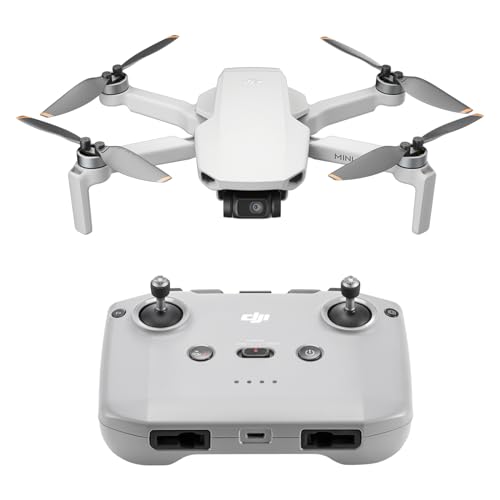
The Mini 4K fixes the one thing budget buyers used to compromise on: resolution. You get genuine 4K footage from a stable 3-axis gimbal in a drone that weighs less than 249 grams. For holidays, hikes, and first flights, it delivers the core DJI experience without the core DJI price.
What we like: True 4K video; very light and portable; easy to learn.
Watch out for: No advanced obstacle sensing; shorter feature list than the Pro models.
Key Specs: Weight: under 249g | Camera: 4K, 3-axis gimbal | Flight time: up to 31 minutes | Transmission: OcuSync 2.

Potensic Atom
TOR Score: 8.4/10
Best for: travelers wanting 4K and long range for less.
The Atom is Potensic’s most convincing answer to the Mini series. It pairs a stabilized 4K camera with confident range and a light, foldable body, and the resulting footage is sharp and steady. For travelers who want DJI-like results without the DJI badge, it deserves a serious look.
What we like: Strong value; good 4K video; portable folding design.
Watch out for: Less polished app experience than DJI; weaker low-light performance.
Key Specs: Weight: under 249g | Camera: 4K, 3-axis gimbal | Flight time: up to 32 minutes | Transmission: long-range digital.

DJI Neo
TOR Score: 8.2/10
Best for: cheapest way into FPV.
The Neo weighs just 135 grams, takes off from your palm, and follows you without a controller. It is built for quick, casual clips and for people who want a drone that feels more like a flying camera than an aircraft.
What we like:
- Tiny 135-gram body
- Palm takeoff with no controller needed
- Easy follow modes
Watch out for:
- Short 18-minute flight time
- Struggles in strong wind
Key Specs: 12MP camera; 4K/30 video; up to 18 minutes of flight time; AI subject tracking.

DJI Mini 2 SE
TOR Score: 8.2/10
Best for: first-time pilots on a tight budget.
The Mini 2 SE keeps things simple: it is light, quiet, and easy to learn, with a camera that is good enough for holiday clips and social posts. It handles wind better than most toy drones and returns home on its own when the battery runs low. It is a calm, forgiving first drone.
What we like
- Very light and portable
- Easy to learn and fly
- Stable in light wind for its size
Watch out for
- Camera tops out at 2.7K
- No obstacle sensing
Key Specs
- Weight: 246 grams
- Camera: 2.7K video
- Flight time: up to 31 minutes
- Transmission: up to 10 km
How We Chose
At this level we raised the bar: every pick had to offer a stabilized camera, reliable GPS flight, and a flight time that supports real practice. We compared image quality in daylight, ease of use for newer pilots, and the quality of the overall package — including batteries, app experience, and support. The result is a list where any of the five is a defensible choice. If you are comparing options, our guide to the best drone under $100 is worth a look.
How to Choose the Right Drone
- Weigh flight time heavily: the difference between 25 and 38 minutes changes how you shoot.
- Consider vertical video: if you post to social media, a drone that shoots vertical natively saves editing time.
- Check obstacle sensing: even basic forward sensing helps beginners avoid the most common crashes.
- Think about where you will fly: a sub-250g drone travels more easily and faces simpler rules in many places.
- Leave room for accessories: a spare battery and a case are worth more than a marginal camera upgrade.
Why This Is the Sweet Spot for Most Buyers
Spend less and you give up stabilization or GPS; spend much more and you are paying for professional features most casual pilots will never use. This middle range is where the value curve peaks: you get a proper gimbal, a good camera, and a mature flight app for a reasonable outlay.
From First Flights to Confident Flying
These drones are capable enough to grow with you. Start with the automated modes — orbit, follow-me, and waypoint flights — then graduate to manual control as your confidence builds. The Mini 3’s long flight time is particularly good for practice, because you can repeat a maneuver several times on a single battery. For a closer look, see our guide to the best drone under $1000.
Frequently Asked Questions
What is the best drone under $300?
The DJI Mini 3 is our top pick in this range thanks to its long flight time, 4K HDR camera, and sub-250g weight. The DJI Mini 4K is the best choice if you want to spend less.
Is the DJI Mini 3 still good in 2026?
Yes. Its 38-minute flight time and clean 4K video remain competitive, and it is often available at a very attractive level for what it offers.
Should I buy the Mini 3 or the Mini 4K?
Choose the Mini 3 for longer flight time and vertical shooting; choose the Mini 4K if you want the lowest cost of entry into true 4K. Both are excellent beginner drones.
Do these drones work well for travel?
Very well — the sub-250g models fold down small, travel easily, and face simpler rules in many countries. Always check local drone regulations before you travel.
What accessories should I buy first?
A spare battery is the best first accessory, followed by spare propellers and a protective case. ND filters are worth adding once you start shooting video seriously.
Final Verdict
The DJI Mini 3 is the best drone under $300 for most people: outstanding battery life, clean 4K video, and a travel-friendly weight. The Mini 4K and Potensic Atom are excellent alternatives if you want to spend less or try a different brand, and the DJI Neo is the pick for image-quality enthusiasts. This is the range where most pilots should shop — and where most pilots should stop.
Related guides: Explore more outdoor gear and tech guides on The Outdoor Recreation.
How to Choose a Drone
- Weight: drones under 250 g are easier to travel with, but rules still apply.
- Camera: larger sensors and 3-axis gimbals give smoother, sharper footage.
- Safety features: obstacle sensing and return-to-home help beginners.
- Flight time and range: spare batteries matter more than spec-sheet range.
- Controller: screen controllers are convenient; phone controllers are cheaper.
For most beginners, a sub-250 g drone with GPS and return-to-home is the best start.
Related guides: see every pick in our Outdoor Gear & Tech category.
Sources and further reading: FAA: Recreational Flyers & Community-Based Organizations and FAA: Unmanned Aircraft Systems. Product details come from brand listings on Amazon. Always check local rules, airspace and park regulations before you fly.
Write Your Review
No reviews yet. Be the first to share your experience!